


Are Rechargeable Hearing Aids Worth It?

Are Rechargeable Hearing Aids Worth It?
8 min.
Published on November 23, 2026
November 23, 2026
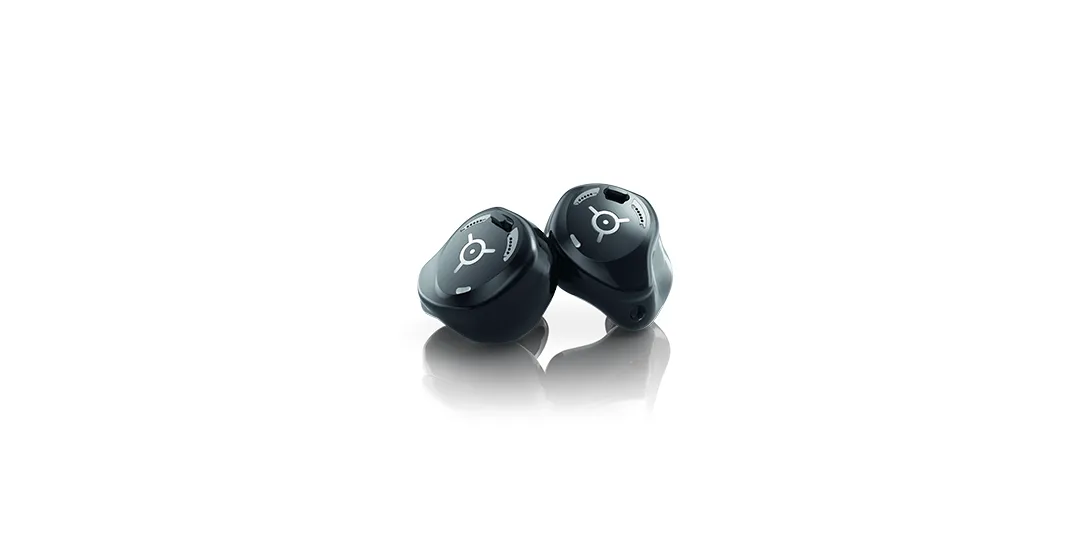
Rechargeable hearing aids have become a common option among modern prescription hearing aids.
Instead of replacing small disposable batteries every few days, you place your hearing aids in a charger when you’re not wearing them. After charging overnight, many models provide enough power for a full day of regular use.
For many people, rechargeable hearing aids are worth considering. They are convenient, easy to manage, and eliminate the need to handle tiny batteries. But they are not the right choice for everyone.
Your hearing needs, lifestyle, dexterity, vision, travel habits, and personal preferences all play a role. The style of hearing aid you need also affects your options. Among the brands offered by Connect Hearing, for example, receiver-in-canal (RIC) hearing aids are rechargeable, while behind-the-ear (BTE) models use disposable batteries.
A hearing care professional (HCP) will help you understand which hearing aid styles and power options suit your needs. If you’re unsure where to start, book a hearing test with Connect Hearing to discuss your options.
How Do Rechargeable Hearing Aids Work?
Most modern rechargeable hearing devices use built-in lithium-ion batteries, and they work much like other rechargeable electronics you use every day.
At night, you place the hearing aids in a rechargeable hearing aid charger. Depending on the model, this might be a simple charging dock or a portable hearing aid charging case with its own stored power. By morning, your hearing aids are ready for another day.
Battery performance varies by model and how you use your devices. Many rechargeable hearing aids provide roughly 16 to 30 or more hours of use from a full charge, but heavy Bluetooth streaming, phone calls, and other wireless features draw additional power and could shorten your hearing aid battery life. Some models also offer quick charging, and a short charge could provide several additional hours of use when you do not have time for a full charging cycle.
Rechargeable hearing aid batteries don’t last forever, and lithium-ion batteries gradually lose capacity and will eventually need professional servicing or replacement. Still, they are designed to withstand years of everyday charging.
Want to learn more about the differences between power options? Read our guide to hearing aid batteries.
Pros of Rechargeable Hearing Aids
The biggest advantage of rechargeable hearing aids is the convenience. You do not need to keep packages of disposable batteries on hand or replace tiny batteries throughout the month.
Rechargeability also makes hearing aids easier to manage for people who have arthritis, reduced hand dexterity, or vision challenges. Instead of opening a small battery compartment and correctly positioning a tiny battery, you place the hearing aids into their charger.
Other benefits include:
Lower ongoing spending on disposable batteries
Less battery waste
Consistent power throughout daily use
Water-resistant options for added protection against moisture
Bluetooth connectivity for compatible phones and other devices
Access to advanced sound processing and AI-supported features on some models
Portable charging cases on selected models
Many premium prescription hearing aids now include rechargeable technology alongside features such as Bluetooth streaming, app controls, automatic sound adjustments, and advanced speech processing.
Who benefits most?
Rechargeable hearing aids often work well for older adults and people who find small disposable batteries frustrating to handle. They are also useful for frequent Bluetooth users who want reliable daily power for streaming calls, music, podcasts, or other audio.
If changing batteries has become difficult for you because of arthritis or vision impairment, rechargeable models could make your daily hearing aid routine simpler.
What Are the Disadvantages of Rechargeable Hearing Aids?
Rechargeable hearing aids still require some planning, and you need to remember to charge them regularly. For most people, placing them in the charger before bed becomes part of their nightly routine. If you forget, you could start the next day without enough power.
Unlike battery-powered hearing aids, you cannot remove a depleted rechargeable battery and immediately replace it with a fresh one. Access to a charger and electricity becomes more important, especially when travelling or spending time in remote locations.
Other considerations include:
Rechargeable batteries eventually lose capacity and require servicing or replacement.
Charging equipment needs to travel with you.
Some rechargeable devices are slightly larger than comparable models using disposable batteries.
Frequent Bluetooth streaming could shorten daily battery life.
A damaged or misplaced charger could leave you without an easy way to recharge your devices.
These factors do not make rechargeable hearing aids better or worse than disposable battery models, they simply make one option more suitable for certain lifestyles.
Rechargeable vs. Disposable Battery Hearing Aids
The main difference between rechargeable and battery-powered hearing aids is in how they receive power.
Feature | Rechargeable hearing aids | Disposable battery hearing aids |
Power | Built-in rechargeable battery | Replaceable disposable battery |
Daily routine | Place in charger regularly | Replace battery when depleted |
Battery changes | No small batteries to replace | Requires handling small batteries |
Travel | Charger and access to power required | Spare batteries are easy to carry |
Ongoing battery costs | Lower | Regular replacement batteries required |
Waste | Fewer disposable batteries | More battery waste |
Dexterity | Often easier to manage | Small batteries could be difficult to handle |
Backup power | Depends on charging options | Fresh battery provides immediate backup |
Streaming | Available on many models | Available on compatible models |
Neither option automatically provides better hearing, and the right hearing aid depends first on your hearing needs and the hearing aid style recommended for you.
Who Should Choose Rechargeable Hearing Aids?
There is no single best rechargeable hearing aid for everyone. The better question is whether rechargeable technology suits your daily routine.
Older adults
Rechargeable hearing aids for seniors reduce the need to purchase, store, and change disposable batteries, and a simple routine of placing the devices in their charger at night could be easier to maintain.
People with arthritis or limited hand dexterity
Tiny hearing aid batteries are difficult to handle if you have arthritis, tremors, or reduced dexterity, and rechargeable hearing aids remove this task from your routine.
People who stream calls and music
Modern Bluetooth hearing aids let you stream audio from compatible devices. If you frequently use this feature, look closely at battery performance during streaming rather than relying only on the manufacturer's maximum battery-life figure.
Frequent travellers
Rechargeable hearing aids work well for many travellers, especially when paired with a portable charging case. Before leaving, check what type of charging connection your device uses and whether your case stores additional charges.
If your trip involves long periods without reliable electricity, disposable batteries could offer an advantage.
People living in remote areas
Rechargeable hearing aids reduce the need to regularly purchase replacement batteries, which could be helpful if stores are far away.
On the other hand, reliable access to electricity matters. If power outages are frequent, discuss backup charging options with your HCP.
What Features Should You Look For?
When comparing the best rechargeable hearing aids for your needs, look beyond the number of hours listed on the box.
Consider:
Battery life during your typical day
Time required for a full charge
Fast-charging options
Portable charging cases
Bluetooth connectivity
Battery performance during streaming
Moisture and water resistance
Smartphone app compatibility
Remote adjustment options
Warranty coverage
Hearing aid style, comfort, and fit
Connect Hearing also offers a 60-Day Confidence Guarantee.* This gives you time to experience your purchased hearing aids in your daily life and determine whether they meet your needs.
Interested in experiencing modern hearing aid technology? Ask about an in-clinic demo during your appointment to explore features like Bluetooth connectivity and rechargeable options.
Choosing Rechargeable Hearing Aids With Professional Support
Battery type is only one part of choosing a hearing aid, and your level of hearing loss, listening environments, comfort, dexterity, and daily communication needs all matter. A professional hearing assessment gives your HCP the information needed to recommend suitable hearing aid styles and technology.
Your HCP will also ask about your lifestyle, because someone who spends most days near home could have different priorities from someone who camps frequently, travels internationally, or spends long periods without dependable electricity.
Once you choose your hearing aids, professional fitting and follow-up care are equally as important. Your devices need to be programmed for your hearing needs and adjusted based on your experience.
If you’re new to hearing aids, our guide to how hearing aids work and the different types available provides a useful starting point.
Not sure whether rechargeable hearing aids are the right choice? Book a hearing test with Connect Hearing to receive personalized recommendations based on your hearing, lifestyle, and communication needs.
Frequently Asked Questions About Rechargeable Hearing Aids
What are the disadvantages of rechargeable hearing aids?
Rechargeable hearing aids need regular charging and access to a suitable power source, and if the battery runs out, you can’t immediately replace it with a disposable battery. You also need to bring your charger when you’re travelling, and the built-in battery will eventually lose capacity and require servicing or replacement. For people who regularly spend long periods away from electricity, disposable battery hearing aids could be more practical.
What is the best hearing aid for Meniere's disease?
There is no single hearing aid that is best for everyone with Meniere's disease. The condition could cause hearing loss that changes over time, so hearing needs differ from person to person.
If you have Meniere's disease or symptoms such as vertigo, fluctuating hearing, tinnitus, or pressure in the ear, speak with your primary care provider about appropriate medical care. An HCP will assess your hearing and discuss hearing aid options based on your individual hearing needs.
Do rechargeable hearing aids work?
Yes, rechargeable hearing aids use the same types of sound-processing technology found in other modern prescription hearing aids. The primary difference is the power source.
Rechargeable models offer features like speech processing, directional microphones, noise management, Bluetooth connectivity, and app controls, depending on the device. How well any hearing aid works for you depends on factors such as your hearing loss, device selection, professional fitting, programming, and how consistently you wear it.
Can a hearing aid help with nerve damage?
Most permanent hearing loss in adults is sensorineural hearing loss, which involves damage to structures in the inner ear or auditory nerve pathways.
Hearing aids do not repair damaged nerves, instead, they amplify and process sound to make speech and other important sounds easier to hear. Modern devices also use technology designed to manage background noise and improve listening in different environments. The appropriate solution depends on the type and degree of hearing loss, and a professional hearing assessment is an important first step in understanding your hearing and the options available to you.
Choosing hearing aids is about more than battery type. Find your nearest Connect Hearing clinic and speak with an HCP about the solution that best fits your hearing needs and daily life.