


Rechargeable vs. battery-powered hearing aids: Which is better?

Rechargeable vs. battery-powered hearing aids: Which is better?
9 min.
Publication Date: April 30, 2026
When exploring hearing aid options, one of the first practical questions many people ask is how the devices are powered. Modern hearing aids typically use one of two systems: disposable batteries or built-in rechargeable batteries.
While both approaches are widely used, the choice between them is not always based on preference alone. In many cases, the type of hearing aid recommended—often determined by the severity and configuration of your hearing loss—also determines whether the device uses disposable batteries or rechargeable technology.
Understanding how each power system works can still be helpful when learning about hearing aids. Knowing what to expect from batteries and rechargeable options can make it easier to build comfortable daily routines as you adjust to wearing hearing aids.
- How do hearing aid batteries work?
- How do rechargeable hearing aids work?
- What’s the difference between rechargeable and battery-powered hearing aids?
- How long do hearing aid batteries last?
- What lifestyle factors should influence your choice?
- Choosing the right hearing aid power option for your needs
Note: Our Hearing Care Providers (HCPs) are here to support your hearing health and provide personalized guidance. However, if you're concerned about medical issues affecting your hearing, always consult your healthcare provider first.
How do hearing aid batteries work?
Some hearing aids run on small disposable batteries known as zinc-air batteries. These batteries activate when a small tab is removed, allowing air to enter and start the power cycle.
Different hearing aid models use different battery sizes, usually sizes 10, 312, 13, or 675. Larger batteries are typically used in hearing aids designed for more severe levels of hearing loss (such as sizes 13 and 675), while smaller batteries like size 10 are commonly found in very small custom in-ear devices.
Once the battery runs out, it must be replaced with a new one. For many users, changing hearing aid batteries becomes a quick and familiar routine. While it may take a little practice at first, many people find the process easy once they become accustomed to handling the small batteries.
How do rechargeable hearing aids work?
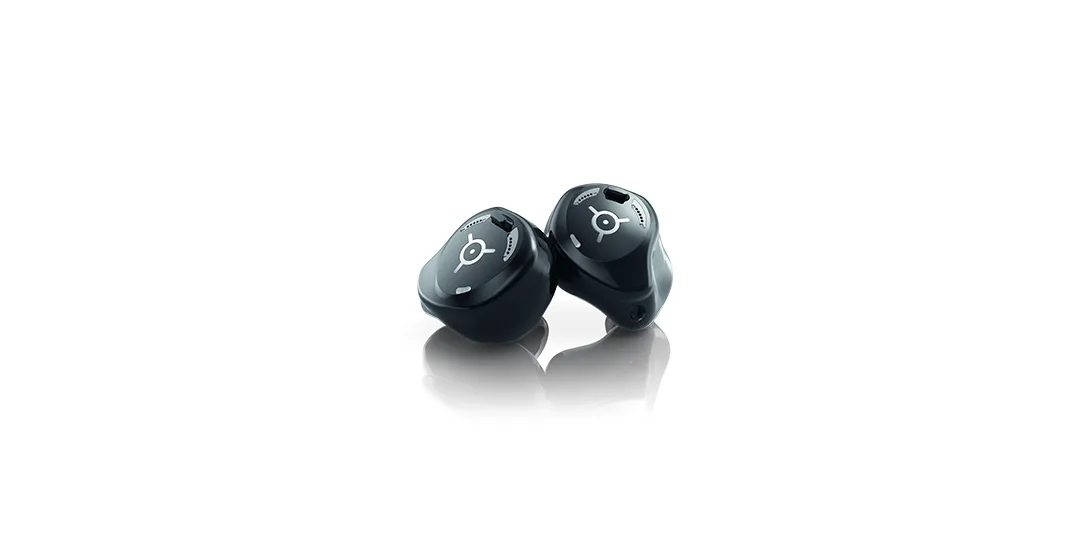
Rechargeable hearing aids use built-in lithium-ion batteries that can be charged regularly instead of replaced. In most cases, the charging process works like this:
- Hearing aids are placed into a charging dock or case at night.
- A full charge usually powers the devices for an entire day.
- Charging takes several hours, depending on the model.
- Many charging cases also function as protective storage.
Because the battery is integrated into the device, there is no need to regularly replace disposable batteries. For some users, this simplifies daily hearing aid care and maintenance.
What’s the difference between rechargeable and battery-powered hearing aids?
While both options provide reliable performance, there are a few practical differences that may influence which type fits your routine best.
1. Convenience and daily routine
Disposable batteries require periodic replacement, which some people prefer because it allows them to swap in a fresh battery immediately if one runs out unexpectedly. Rechargeable hearing aids, on the other hand, are typically charged overnight, making them feel similar to charging a phone or smartwatch.
2. Maintenance and handling
Handling very small batteries can be challenging for individuals with dexterity concerns or reduced vision. In those situations, rechargeable hearing aids may feel easier to manage because they eliminate the need to open battery compartments frequently.
3. Environmental considerations
Rechargeable hearing aids reduce the number of disposable batteries used over time. For people who prefer a lower-waste solution, this can be an appealing factor.
4. Travel and flexibility
Some users appreciate the flexibility of disposable batteries when travelling, since spare batteries are easy to carry and don’t require access to a power outlet. Rechargeable hearing aids can still be convenient while travelling, but they do require planning to ensure charging access.
How long do hearing aid batteries last?
Battery life varies depending on both the device type and how it is used throughout the day.
- Disposable hearing aid batteries: Often last between 3 and 10 days, depending on battery size, streaming use, and volume settings.
- Rechargeable hearing aids: Usually provide 16–30 hours of use per charge, enough for a full day of listening.
Features like Bluetooth streaming, phone calls, and app connectivity can increase power usage in both types of devices.
What lifestyle factors should influence your choice?
While daily routines can play a role, the type of hearing aid recommended for your hearing loss is usually the main factor that determines the kind of battery system used.
Hearing Care Providers (HCPs) will typically recommend a specific hearing aid style based on the severity and configuration of your hearing loss. For example, many receiver-in-canal (RIC) hearing aids are designed with built-in rechargeable batteries, while some custom in-ear models may be available in either rechargeable or battery-powered versions.
Once the appropriate hearing aid style is determined, lifestyle considerations can still influence what feels most convenient in everyday use. People who travel frequently or spend long periods away from charging access may appreciate the flexibility of disposable batteries, while others prefer the simplicity of placing hearing aids into a charger overnight instead of handling small replacement batteries. As many people experience when adjusting to a new hearing aid, routines around charging or battery replacement quickly become second nature.
Questions about hearing aid technology are also common, particularly for people researching devices for the first time. Many concerns about batteries, charging, and device performance are addressed in our article on common hearing aid myths and how modern devices actually work.
Choosing the right hearing aid power option for your needs
There is no universal answer to whether rechargeable hearing aids or disposable batteries are “better.” Both options are designed to support reliable daily hearing. The type of hearing aid recommended for your hearing loss often determines the power system, while personal preferences and daily routines can still influence what feels most convenient.
Key takeaways
- Some hearing aids use small disposable batteries that typically need to be replaced every few days.
- Rechargeable hearing aids use built-in batteries that charge overnight.
- Battery life varies depending on device features and usage habits.
- Convenience, travel needs, and ease of handling often influence the decision.
- Professional guidance can help match hearing aid features to your lifestyle.
If you’re considering hearing aids and want help understanding which features may suit your daily routine, you can book a free hearing test or find a Connect Hearing clinic near you to speak with a Hearing Care Provider (HCP). Professional guidance can help ensure the hearing aid solution you choose supports both your hearing needs and your lifestyle.
Author
Connect Hearing Canada