
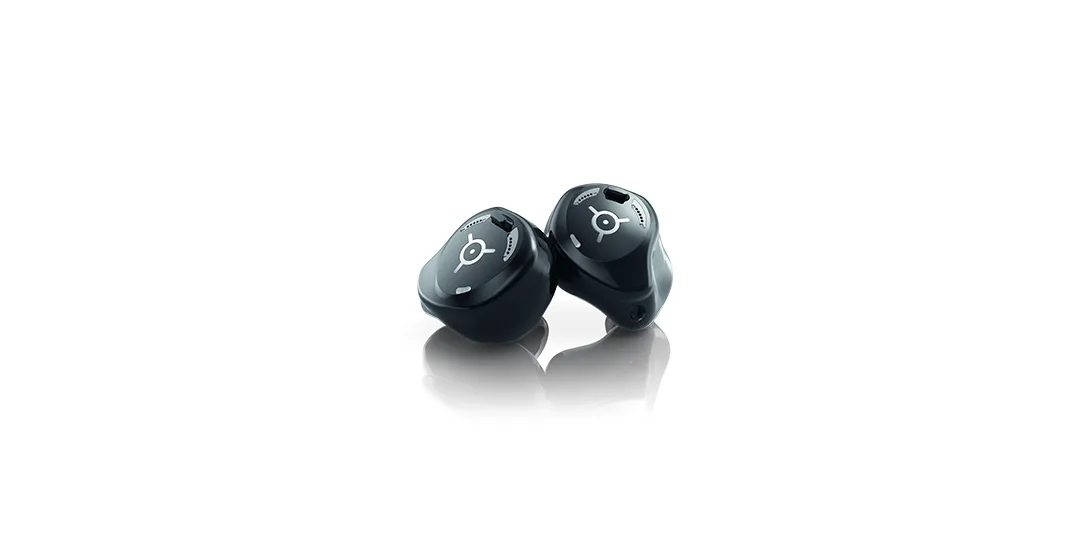


Hearing aids explained: Types, benefits, and what to expect

Hearing aids explained: Types, benefits, and what to expect
8 min.
Publication Date: March 19, 2026
Noticing changes in your hearing can bring up a lot of questions and sometimes a bit of uncertainty. You might be wondering whether what you’re experiencing is “normal,” whether hearing aids are something you need to think about now, or what your options even are.
Hearing aids are simply tools designed to support hearing in everyday life, and today’s options are far more personalized than many people expect. Understanding how hearing aids work, the different types available, and what the process looks like can help take some of the guesswork—and pressure—out of deciding what to do next.
In this guide, we’ll give you a clear, trustworthy overview of hearing aids so you can feel informed and confident as you explore your hearing care options.
- What are hearing aids and how do they work?
- What types of hearing aids are available?
- What are the benefits of hearing aids?
- How do hearing test results help determine the right hearing aids?
- What should you expect when getting hearing aids?
- Understanding next steps in hearing care
Note: Our Hearing Care Providers (HCPs) are here to support your hearing health and provide personalized guidance. However, if you're concerned about medical issues affecting your hearing, always consult your healthcare provider first.
What are hearing aids and how do they work?
Hearing aids are small electronic devices designed to help people with hearing loss hear more clearly. Rather than simply making sounds louder, modern hearing aids process sound to improve clarity, especially for speech.
Hearing aids pick up sound through microphones, analyze and adjust it based on your hearing needs, and deliver the processed sound into the ear. This allows important sounds, such as speech, to be emphasized while reducing background noise when possible. Today’s hearing aids are designed to adapt to different environments, helping support conversations in a range of listening situations.
While hearing aids cannot restore normal hearing, they can significantly improve how well sounds are perceived and understood when they’re properly selected and fitted.
What types of hearing aids are available?
Hearing aids come in different styles and designs to suit a variety of hearing needs, preferences, and lifestyles. The best option depends on factors such as the degree of hearing loss, comfort, dexterity, and personal priorities.
Behind-the-ear (BTE) hearing aids
Behind-the-ear hearing aids sit behind the ear, with the receiver built into the main hearing aid. Sound travels through a small tube to an ear mold or ear piece in the ear.
This style is often recommended for people with severe to profound hearing loss because it can provide more power and durability. BTE hearing aids are also typically easier to handle and clean, which can make them a practical option for many adults.
Receiver-in-canal (RIC) hearing aids
Receiver-in-canal hearing aids are also worn behind the ear, but the receiver, or speaker, sits inside the ear canal rather than in the main body of the device. This design can provide improved sound clarity for many wearers.
RIC hearing aids usually use either a soft dome or a custom ear piece, depending on the wearer’s hearing needs and comfort. They are one of the most common hearing aid styles because they combine discretion, comfort, and flexibility.
In-the-canal (ITC) and completely-in-canal (CIC) hearing aids
ITC hearing aids fit partly in the ear canal, while CIC hearing aids sit even deeper inside the canal for a smaller, more discreet appearance. CIC devices are essentially a smaller version of in-the-canal styles.
Because ITC and CIC hearing aids are very compact, they may be less suitable for people who want easier handling or need more power. Your Hearing Care Provider (HCP) can help determine whether these styles are appropriate for your hearing loss, ear shape, and day-to-day comfort.
What are the benefits of hearing aids?
The benefits of hearing aids can vary from person to person, depending on hearing loss type, severity, and consistent use. When properly selected and adjusted, hearing aids can support both hearing ability and overall quality of life. Common benefits of hearing aids include:
- Improved speech understanding, especially in everyday conversations.
- Reduced listening effort, making communication less tiring.
- Better participation in social situations, such as family gatherings or group discussions.
- Increased confidence as hearing becomes less of a barrier.
- Support for long-term hearing health by keeping the brain engaged with sound.
It’s important to note that benefits often improve over time as the brain adapts to hearing aids and settings are fine-tuned.
How do hearing test results help determine the right hearing aids?
Hearing aids are selected based on hearing test results, listening needs, dexterity, and other factors. A hearing test helps identify the type, degree, and pattern of hearing loss, which directly influences which hearing aid options may be appropriate.
Test results guide decisions around technology level, programming, and whether hearing aids are the best solution or if other options should be explored. Hearing tests also help determine how sound should be adjusted to support speech clarity rather than simply increasing volume.
This is why a hearing test is considered the foundation of effective hearing aid selection and personalization.
What should you expect when getting hearing aids?
Getting hearing aids is a process, not a single appointment. Professional guidance plays an important role at each stage to ensure comfort, effectiveness, and long-term success. The process typically includes:
- A hearing assessment to understand hearing needs and challenges.
- A discussion of lifestyle and preferences to help guide selection.
- Hearing aid selection based on test results and individual needs.
- Fitting and programming to customize sound settings.
- Adjustment and follow-up care to fine-tune performance over time.
Adjustment is normal, especially in the early stages. Follow-up care helps address questions, refine settings, and support long-term comfort.
Understanding next steps in hearing care
Hearing aids are a personalized hearing solution designed to support communication and daily life. Understanding the types available, the benefits they offer, and what the process involves can make the decision feel more manageable.
Key takeaways
- Hearing aids are designed to improve clarity, not just volume.
- Different types suit different hearing needs and preferences.
- Benefits extend beyond hearing to confidence and participation.
- Hearing tests guide appropriate hearing aid selection.
- Professional support is key to long-term success.
If you’re exploring hearing aids and want guidance tailored to your hearing needs, we’re here to help. Book a free hearing test or find a Connect Hearing clinic near you to take the next step with confidence and get answers to your questions from a Hearing Care Provider (HCP).
Author
Connect Hearing Canada
Latest articles
- How long does it take to adjust to hearing aids? Timeline, challenges, and what to expect
- Hearing loss in one ear: Causes and treatment options for unilateral hearing loss
- Sudden hearing loss (SSNHL): Causes, symptoms, and when to seek immediate help
- Deafness vs hearing loss: What’s the difference and why it matters