


Types of ear plugs comparison guide: Materials, fit, and protection explained
Types of ear plugs comparison guide: Materials, fit, and protection explained
8 min.
Publication Date: April 16, 2026
Not all ear plugs offer the same level of comfort, protection, or suitability for different environments. With so many materials and designs available—from foam and wax to silicone and filtered options—choosing the right ear plugs can feel overwhelming.
The truth is, the “best” ear plugs depend on how and where you plan to use them because sleeping, swimming, attending concerts, or working in noisy environments each require different levels of protection and comfort.
This guide explains the most common types of ear plugs, how they work, and what to consider when selecting the right option for your needs.
- What are the different types of ear plugs?
- How do foam ear plugs work?
- How do wax and silicone ear plugs compare?
- What are filtered and specialty ear plugs?
- How does fit affect ear plug effectiveness?
- Choosing the right ear plugs for your needs
- Protecting your hearing long term
Note: Our Hearing Care Providers (HCPs) are here to support your hearing health and provide personalized guidance. However, if you're concerned about medical issues affecting your hearing, always consult your healthcare provider first.
What are the different types of ear plugs?
Ear plugs are designed to reduce the amount of sound entering the ear canal, but the material and design determine how they perform and how comfortable they feel.
The most common types of ear plugs include:
- Foam ear plugs
- Wax ear plugs
- Silicone ear plugs
- Filtered (musician-style) ear plugs
- Cotton-style ear plugs
- Ear muffs
Each type offers different levels of noise reduction and is suited to different situations.
How do foam ear plugs work?
Foam ear plugs are among the most widely used and affordable options. They are made from soft, compressible material that expands inside the ear canal to create a seal.
When inserted correctly, foam ear plugs often provide some noise reduction, which makes them common in loud workplace settings or other high-noise environments. However, proper insertion is essential. If they are not rolled tightly and placed deeply enough into the ear canal, their effectiveness drops significantly.
Some people also find foam ear plugs less comfortable for sleeping or long periods of wear, especially if pressure builds in the ear canal.
How do wax and silicone ear plugs compare?
Wax and silicone ear plugs are often chosen for comfort and flexibility, particularly for sleeping or swimming.
Wax ear plugs
Wax ear plugs are moldable and shaped by hand before placement over the ear canal opening. They typically sit at the entrance of the ear rather than deep inside it, which many side sleepers find more comfortable.
They are commonly used as earplugs for sleeping because they conform to the outer ear. However, they may not offer the same high-level noise reduction as properly inserted foam ear plugs in very loud environments.
Silicone ear plugs
Silicone ear plugs are available in both reusable and moldable styles. Many are designed to form a seal over the ear canal, making them especially useful for water protection.
They are often used for swimming, with custom swim plugs being made of both silicone and foam so they float if misplaced. You can learn more about water-specific options in our guide to swimming ear plugs.
What are filtered and specialty ear plugs?
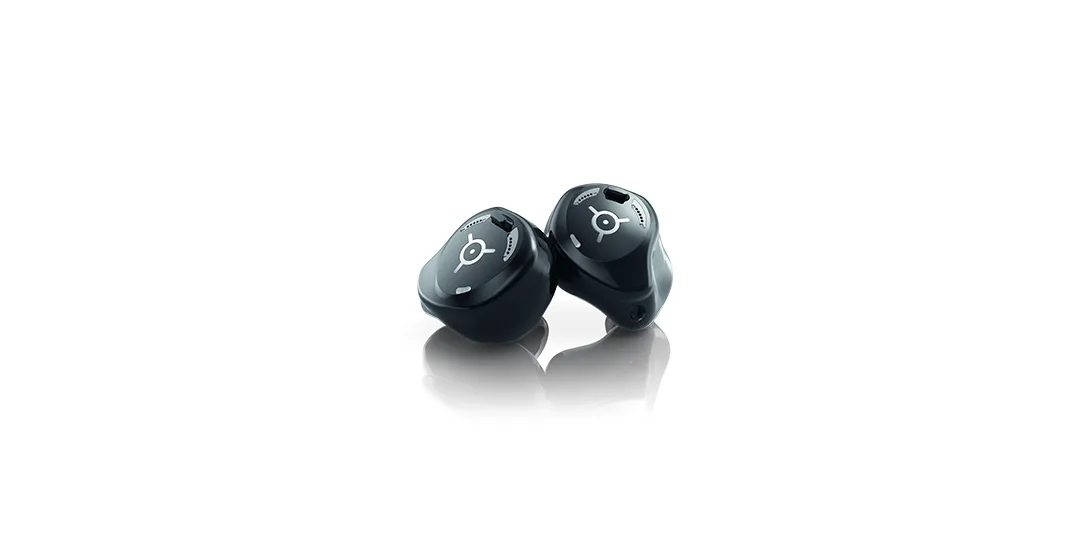
Filtered ear plugs, sometimes called musician ear plugs, are designed to reduce overall sound levels while preserving clarity. Instead of simply blocking noise, they use filters to lower volume evenly across frequencies.
These are commonly used by musicians, concert-goers, and event staff who want to protect their hearing without distorting sound quality. Some filtered options are available over the counter, while others are custom-made for a more precise fit and consistent performance.
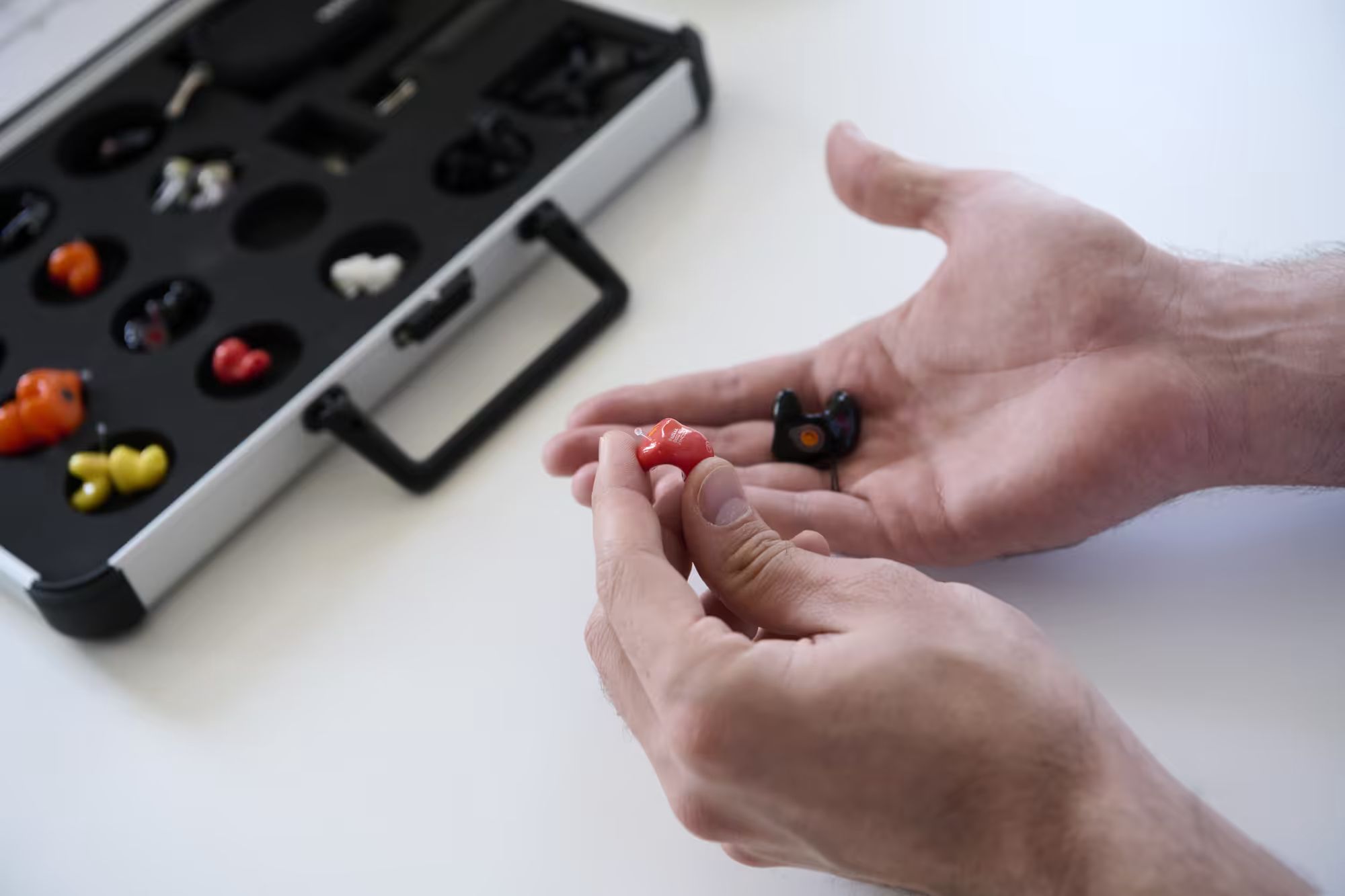
If you’re considering a personalized solution, our article on custom ear plugs explains how ear impressions can create a secure, tailored option.
How does fit affect ear plug effectiveness?
Fit is one of the most important factors in hearing protection. After all, even ear plugs with a high noise reduction rating won’t work properly if they don’t create a complete seal.
Foam ear plugs must be inserted correctly to expand fully inside the ear canal. Wax and silicone plugs need to sit securely without gaps. Poor fit can reduce protection and make ear plugs uncomfortable, which often leads to inconsistent use.
A secure, comfortable fit helps ensure reliable noise reduction and makes it more likely that hearing protection will be worn consistently—especially in high-noise or long-term situations.
Choosing the right ear plugs for your needs
The right ear plugs depend on how you plan to use them. Occasional use at a loud event requires something different than overnight sleep or daily workplace exposure. For example:
- Sleeping: Wax or silicone ear plugs are often preferred for comfort.
- Swimming: Silicone or custom options provide better water protection.
- Concerts and music events: Filtered ear plugs help preserve sound clarity.
- Workplace noise: Foam or custom ear plugs may offer stronger protection.
If you’re unsure which option suits your needs, our overview of how earplugs can help provides additional context on hearing protection choices.
For frequent or occupational noise exposure, professional guidance can help ensure your hearing protection matches your environment and long-term hearing health goals.
Protecting your hearing long term
Noise-induced hearing loss develops gradually and is often permanent, so it’s important to take a proactive approach. Consistent use of appropriate hearing protection can significantly reduce your risk over time.
Key takeaways
- Different types of ear plugs offer different levels of comfort and protection.
- Foam ear plugs provide strong noise reduction when inserted correctly.
- Wax and silicone options are often preferred for sleeping or swimming.
- Filtered ear plugs reduce volume while preserving clarity.
- Proper fit is essential for effective hearing protection.
If you’re exposed to noise regularly or want a more secure and comfortable solution, consider speaking with a Hearing Care Provider (HCP). You can book a free hearing test or find a Connect Hearing clinic near you to explore personalized hearing protection options.
Author
Connect Hearing Canada