
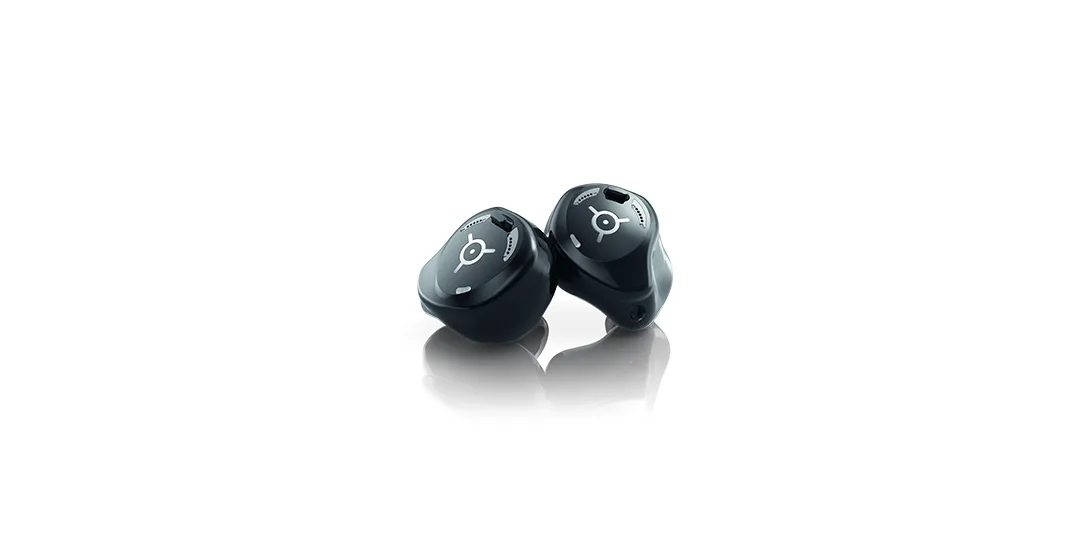


How to choose hearing aids for tinnitus relief

How to choose hearing aids for tinnitus relief
9 min.
Publication Date: February 12, 2026
Living with tinnitus can make everyday moments feel more challenging, especially in quiet environments where ringing, buzzing, or humming becomes more noticeable. If you’re exploring hearing aids for tinnitus relief, you may already know there are many options available, which can make choosing the right device feel overwhelming.
Hearing aids don’t cure tinnitus, but they can play an important role in managing how noticeable and disruptive it feels. Understanding how hearing aids support tinnitus, which features matter most, and how different brands approach tinnitus management can help you feel more confident as you move closer to booking a consultation or making a purchase decision.
- How can hearing aids help with tinnitus?
- What hearing aid features matter most for tinnitus relief?
- Which hearing aid brands are recommended for tinnitus?
- How much do hearing aids for tinnitus typically cost?
- Choosing the right hearing aids with professional guidance
Note: Our Hearing Care Providers (HCPs) are here to support your hearing health and provide personalized guidance. However, if you're concerned about medical issues affecting your hearing, always consult your healthcare provider first.
How can hearing aids help with tinnitus?
Tinnitus is often closely linked to hearing loss. When the brain receives less sound input from the ears, it may compensate by increasing internal noise, which can make tinnitus more noticeable. Hearing aids help address this by correcting hearing loss, giving the brain more auditory input to focus on.
For many people, hearing aids make tinnitus less intrusive by reducing the contrast between silence and background sound. Over time, this can help the brain place less attention on tinnitus and improve comfort in daily life.
What hearing aid features matter most for tinnitus relief?
When it comes to tinnitus support, hearing aid features often matter more than brand names alone. Modern hearing aids include a range of technologies designed to help manage tinnitus in different ways, and the right combination depends on your hearing needs, lifestyle, and tinnitus experience.
1. Built-in tinnitus sound masking
Many hearing aids for tinnitus include sound masking features that introduce gentle background sounds, such as white noise or nature-inspired tones. These sounds don’t eliminate tinnitus, but they can make it less noticeable—especially in quiet environments where tinnitus tends to stand out most.
2. Customizable sound therapy programs
Some hearing aids offer sound therapy programs that go beyond basic masking. These programs can be customized by a Hearing Care Provider (HCP) to support long-term tinnitus management by helping the brain become less reactive. Personalization is key, as no two tinnitus experiences are exactly alike.
3. Personalization and fine-tuning options
Effective tinnitus relief often depends on how well a hearing aid is adjusted to your specific hearing profile. Fine-tuning allows your Hearing Care Provider (HCP) to tailor amplification levels and listening environments so the hearing aids support both hearing clarity and tinnitus comfort.
4. Bluetooth connectivity and streaming
Bluetooth-enabled hearing aids allow you to stream audio directly from smartphones, TVs, or other devices. This can be especially helpful for tinnitus management because music, podcasts, and sound therapy creates consistent background sound that may reduce tinnitus awareness throughout the day.
5. App-based controls and user flexibility
Many modern hearing aids include companion apps that let you adjust volume, change programs, or control tinnitus features discreetly. This flexibility allows you to adapt your hearing aids to different environments or tinnitus fluctuations without having to regularly return to the clinic.
Which hearing aid brands are recommended for tinnitus?
Several hearing aid brands available through Connect Hearing are frequently recommended for tinnitus support. Rather than thinking of one brand as “better” than another, it’s more helpful to consider how each brand’s approach may align with your needs and lifestyle.
- Phonak hearing aids are often chosen for their advanced sound processing, connectivity options, and flexible tinnitus features suited to active or tech-forward users.
- Unitron hearing aids are known for their adaptable technology and user-friendly customization options that support long-term comfort and ease of use.
- Other leading brands offer different tinnitus tools, form factors, and personalization options depending on individual hearing needs.
Different hearing aid brands take slightly different approaches to tinnitus support, from how sound therapy is delivered to how much control users have over settings and personalization. Understanding these differences can help narrow down options, especially when considering the range of hearing aid brands available through Connect Hearing.
How much do hearing aids for tinnitus typically cost?
The cost of hearing aids for tinnitus can vary widely, depending on several factors. There isn’t a single price that applies to everyone, because tinnitus management often requires a more personalized approach.
Factors that influence the cost of hearing aids include the level of technology, the range of tinnitus features included, and the degree of customization required. Ongoing care, follow-up appointments, and adjustments provided by your Hearing Care Provider (HCP) also play an important role in overall value.
While cost is an important consideration, it’s worth remembering that hearing aids for tinnitus are not just devices—they’re part of a broader care plan designed to support your hearing health and quality of life.
Choosing the right hearing aids with professional guidance
Choosing hearing aids for tinnitus relief is a personal decision, and there’s no one-size-fits-all solution. The most effective outcomes match the right features and technology to your hearing needs, tinnitus experience, and daily routine.
Key takeaways
- Hearing aids can help reduce tinnitus awareness by increasing sound input.
- Features like sound masking and sound therapy support tinnitus management.
- Personalization and fine-tuning are essential for comfort and effectiveness.
- Different brands offer different approaches to tinnitus support.
- Guidance from a Hearing Care Provider (HCP) helps ensure the right fit.
If tinnitus is affecting your daily life and you’re considering hearing aids, professional guidance can make all the difference. Start by booking a free hearing test or finding a Connect Hearing clinic near you to explore hearing aid options tailored to your tinnitus needs.
Author
Connect Hearing Canada