


How to choose the best noise-cancelling headphones

How to choose the best noise-cancelling headphones
9 min.
Publication Date: June 19, 2021
Article Updated: January 15, 2026
Whether you’re a frequent flyer, a daily commuter, or just want a quieter listening experience, noise-cancelling headphones can make a big difference. They reduce distractions, protect your hearing, and help you enjoy your audio at safer volumes.
But with so many options—wireless earbuds, over-ear models, different noise-cancelling features—how do you know what’s right for you? In this guide, we’ll help you compare the most common types and understand what to look for.
Note: Our Hearing Care Providers (HCPs) are here to support your hearing health and provide personalized guidance. However, if you're concerned about medical issues affecting your hearing, always consult your healthcare provider first.
How do noise-cancelling headphones work?
Noise-cancelling headphones use Active noise control (ANC) technology to block out background noise. Small microphones on the device pick up ambient sound, then produce an opposite sound wave that cancels it out before it reaches your ears.
ANC is most effective against low, steady noises like airplane engines or traffic. It’s less helpful for sharp, unpredictable sounds like a ringing phone or barking dog.
Even though the concept is high-tech, the real benefit is simple: a quieter environment where you can listen more comfortably—and at safer volumes.
Headphones vs. earbuds: What’s the difference?
Noise-cancelling headphones and earbuds both aim to reduce ambient noise, but they offer different experiences in terms of sound quality, comfort, portability, and price. Here’s how they compare depending on your needs.
Noise-cancelling headphones
Over-ear noise-cancelling headphones are ideal for people who want immersive sound and reliable performance in loud environments like airplanes, offices, or public spaces. These models use a combination of passive and active noise cancellation to reduce a wide range of sounds.
They’re also a great choice for people who listen for long periods at a time, thanks to their padded design and superior audio clarity, especially in the lower and mid-frequency ranges.
Pros:
Best overall noise cancellation
Strong bass and full-range sound quality
Comfortable for extended wear
Cons:
More expensive than earbuds
Bulkier for travel or workouts
Require more power (frequent recharging)
If sound quality and comfort are top priorities—and you don’t mind the size—headphones are often worth the investment.
Noise-cancelling earbuds
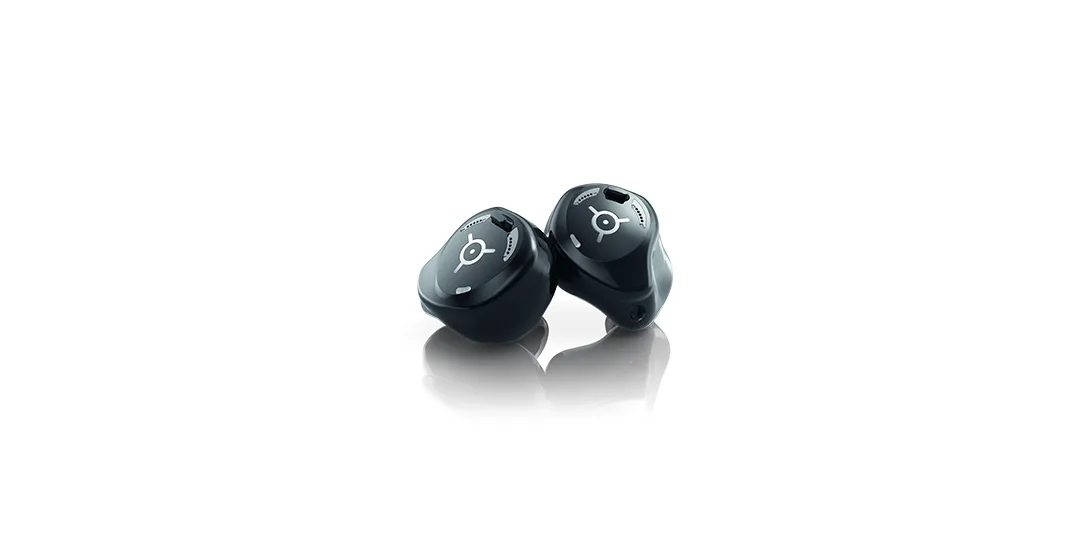
ANC earbuds are smaller, lighter, and more convenient. They’re great for commuting, working out, or casual listening when portability is a must. While modern ANC earbuds are surprisingly effective, they tend to struggle more with sharp or high-pitched sounds and generally offer a narrower sound profile than headphones.
Pros:
Pocket-sized and easy to carry
Often more affordable
Quick to connect and use
Cons:
Less powerful noise cancellation
Shorter battery life
Sound is delivered directly into the ear canal, which may increase hearing risk if volume is too high
Regardless of which type you choose, there are a few features worth considering when shopping for noise-cancelling headphones. Look for adjustable ANC levels, long battery life, comfortable ear cups or tips, and mobile app controls that let you fine-tune your experience. Some models also offer features like transparency mode or auto-pause when you remove them.
These small details can make a big difference in comfort, safety, and long-term satisfaction, especially if you plan to wear them often.
Can noise-cancelling headphones cause dizziness?
Some users report feeling dizzy, off-balance, or even mildly nauseated when using noise-cancelling headphones for the first time. This is usually temporary and happens as your brain adjusts to the sudden drop in ambient noise.
For most people, the sensation fades after a few uses. But if it continues or worsens, consider switching to a model with adjustable noise cancellation—or talk to a Hearing Care Provider (HCP) about further testing.
Remember, everyone’s hearing and balance systems are different. If you notice symptoms, listen to your body and give yourself time to adjust.
Does ANC have any health benefits?
Noise-cancelling headphones do more than improve your listening experience; they can support your hearing health meaningful ways, especially when used consistently and at safe volume levels. Some of the most common wellness benefits include:
Reducing listening fatigue and hearing strain over long periods.
Helping people with sensory sensitivity manage overstimulating environments.
Supporting deeper focus and less interruption while working or studying.
Easing stress and aiding relaxation, especially when paired with music or guided meditation.
Improving sleep for people sensitive to environmental noise, snoring, or nighttime anxiety.
When used mindfully, noise-cancelling headphones can be part of a healthier, more comfortable sensory routine.
Finding the right fit for your needs
There’s no single “best” noise-cancelling headphone—just the best one for your lifestyle. Whether you prioritize immersive sound, travel-friendly features, or relief from everyday distractions, understanding the options can help you make a more confident choice.
From ANC earbuds that fit in your pocket to full-sized headphones with studio-quality sound, the most important thing is to listen at safe volumes, choose features that suit your needs, and stay aware of how your ears respond to different environments.
Key takeaways
ANC is best for consistent background noise, not sharp or sudden sounds.
Headphones offer better sound quality, while earbuds offer portability.
Some users may feel dizzy at first, but it usually passes quickly.
Noise-cancelling tech can support hearing health and wellness when used correctly.
Looking for more guidance on safe listening or personalized hearing support? Book a free hearing test or find a clinic near you to explore your options.
Author
Connect Hearing Canada