
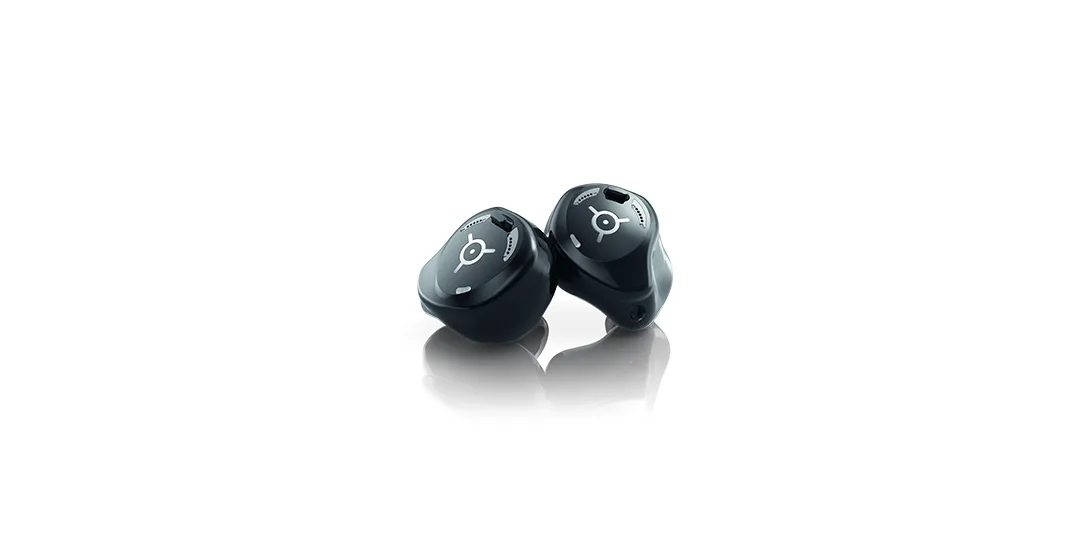


How hearing protection prevents long-term hearing loss

How hearing protection prevents long-term hearing loss
7 min.
Publication Date: April 22, 2025
Article Updated: January 15, 2026
Whether it’s your job, your hobbies, or just everyday life, repeated exposure to loud sounds can cause long-term damage to your hearing. As a result, hearing loss caused by loud noise is much more common than many people think.
The good news? It's completely preventable, and simple tools like earplugs or earmuffs can make a big difference. This guide explains how noise-induced hearing loss (NIHL) happens, when you’re most at risk, and how to protect your ears for the long term.
Note: Our Hearing Care Providers (HCPs) are here to support your hearing health and provide personalized guidance. However, if you're concerned about medical issues affecting your hearing, always consult your healthcare provider first.
What is noise-induced hearing loss (NIHL)?
According to the National Institute on Deafness and Other Communication Disorders (NIDCD), noise-induced hearing loss (NIHL) can happen suddenly after a loud noise or gradually over time. Even everyday sounds, like music through headphones or equipment at work, can cause damage if you’re not protected.
NIHL occurs when the tiny hair cells in your inner ear—responsible for transmitting sound to the brain—are damaged by prolonged or repeated exposure to loud sounds.
Once these cells are damaged, they don't grow back, so this kind of hearing loss is permanent. However, a few simple steps can help to mitigate the risk.
How loud is too loud?
The risk of hearing loss depends not only on how loud a sound is, but also on how long you're exposed to it. Any sound at or above 85 decibels (dB) can cause damage over time—and the higher the volume, the less time it takes to do harm. Here’s how common sounds compare:
Normal conversation: 60–70 dB
Lawnmower: 80–100 dB
Motorcycles: 90–110 dB
Concerts or sporting events: 94–110 dB
Emergency sirens: 110–129 dB
Fireworks: 140–160 dB
Even brief exposure to very loud sounds can cause immediate harm, but it’s usually the gradual buildup of damage that goes unnoticed. For example, listening to music through headphones at high volume for several hours a day may seem harmless, but it can lead to long-term hearing loss. Being aware of noise levels in your environment is a critical first step toward protecting your ears.
How does hearing protection help?
Hearing protection doesn’t block sound completely. Instead, it reduces the volume that reaches your inner ear, lowering the risk of damage. This is called “attenuation,” and it’s measured in decibels. According to Alberta Health, you could reduce surrounding noise by up to 30 dB depending on the type of protection you use. Using it consistently:
Helps prevent irreversible damage from loud environments.
Lowers your risk of developing tinnitus (ringing in the ears).
Reduces fatigue from noise exposure, especially in work settings.
Allows you to enjoy concerts, hobbies, or sporting events more safely.
Hearing protection also helps you stay in control of your listening environment. With tools like custom earplugs or noise-cancelling earmuffs, you can still hear conversations, music, or warning signals—just at safer, more comfortable volumes.
What types of hearing protection are available?
There are several types of hearing protection available, ranging from affordable, disposable options to custom-molded devices.
Disposable earplugs
These soft foam or silicone plugs expand in the ear canal to block out sound. They’re inexpensive and widely available but need to be replaced after each use. Best for occasional or emergency use.
Custom-molded earplugs
Made to fit your ears exactly, these are reusable and offer long-term comfort and superior sound protection. Ideal for frequent use, especially in professional or recreational settings.
Earmuffs
These cover the entire outer ear and are especially useful in industrial or high-noise environments. They can also be worn over earplugs for additional protection.
How can you protect your hearing every day?
If you’re regularly exposed to noise, taking sensible precautions can help you avoid long-term damage. These precautions don’t require major changes; they’re all about building smarter habits into your routine.
Start by following the 60/60 rule: Keep your headphone volume at 60% or less, and limit listening to no more than 60 minutes at a time. If you’re in a noisy environment—like an arena or a construction site—carry earplugs or earmuffs, and give your ears a break whenever possible.
Most of all, stay aware of your surroundings. If you need to raise your voice to be heard, it’s probably loud enough to cause harm. Lower the volume where you can, step away from loud sources, and be mindful of how long you’re exposed.
Take the next step in protecting your hearing
Noise-induced hearing loss is largely preventable, but only if you take action early. If you use headphones often or regularly find yourself in noisy environments, hearing protection is essential—and it’s worth having your hearing checked at least once a year.
Key takeaways
NIHL is permanent but preventable with the right protection.
Sounds over 85 dB can cause damage, especially with long exposure.
Hearing protection reduces volume, not sound quality.
Custom and over-the-counter options are both effective.
Regular hearing tests help catch changes early.
Curious about custom hearing protection or think your hearing may already be affected? Book a free hearing test or find a clinic near you to learn more.