


How to properly clean and maintain your hearing aids

How to properly clean and maintain your hearing aids
7 min.
Publication Date: July 18, 2019
Article Updated: January 8, 2026
Hearing aids are small but powerful devices, and a little regular care goes a long way. Keeping them clean not only helps maintain clear, consistent sound, but also prevents moisture damage, reduces the need for repairs, and extends the life of your device. Most maintenance can be done at home with simple tools, while other tasks are best left to a Hearing Care Provider (HCP).
This guide covers how often to clean your devices, the tools that help, how to care for different hearing aid styles, and important habits that keep your hearing aids working at their best.
Note: Our Hearing Care Providers (HCPs) are here to support your hearing health and provide personalized guidance. However, if you're concerned about medical issues affecting your hearing, always consult your healthcare provider first.
How often should you clean your hearing aids?
A little daily attention can prevent many common issues. Wiping your devices each night removes moisture, debris, and oils that naturally accumulate throughout the day.
Every week, it’s helpful to check microphone ports, replace wax guards or domes if needed, and ensure vent openings are clear.
Once a month, look over your tubing or earmolds for signs of wear. Regular maintenance builds good hearing-aid habits and helps you catch small issues before they become frustrating problems.
What tools help maintain your hearing aids?
Basic hearing-aid cleaning tools are inexpensive and easy to use. Having the right supplies on hand not only makes daily and weekly upkeep simple but also helps to prevent unnecessary repairs or service appointments. Helpful maintenance tools include:
A soft, lint-free cleaning cloth
Small brushes for ports and sound openings
Wax guards and replacement filters
An air blower for BTE tubing
Drying capsules or an electronic drying box
Vent tools for earmolds
Storage cases to protect devices overnight
Your Hearing Care Provider (HCP) can recommend exactly which tools match your hearing aid model and show you how to use them safely. You can also browse and shop the Hearing Aid Cleaning & Maintenance category in our online store.
How do you clean different types of hearing aids?
Cleaning steps vary depending on your device style, but the goal is universal: keep openings clear, remove debris, and protect sensitive components. Here’s how to care for each of the main types of hearing aid using safe, simple techniques.
Behind-the-ear (BTE) hearing aids
As the name suggests, behind-the-ear (BTE) hearing aids sit behind the ear and connect to tubing and an earmold. The exterior can be wiped daily to remove oils and moisture. Earmolds tend to accumulate debris over time, so regular cleaning helps keep sound clear. Tubing may collect moisture or wax, and using an air blower keeps it free-flowing. Over time, tubing can harden and may need replacing—something your Hearing Care Provider (HCP) can do quickly.
Receiver-in-canal (RIC) or sound-tube devices
Receiver-in-canal (RIC) hearing aids place the receiver directly in the ear canal, which exposes it to more wax. Wax guards should be checked regularly and replaced whenever sound becomes quiet or distorted. Domes can be wiped clean daily, and openings around the receiver benefit from gentle brushing.
In-the-ear (ITE) hearing aids
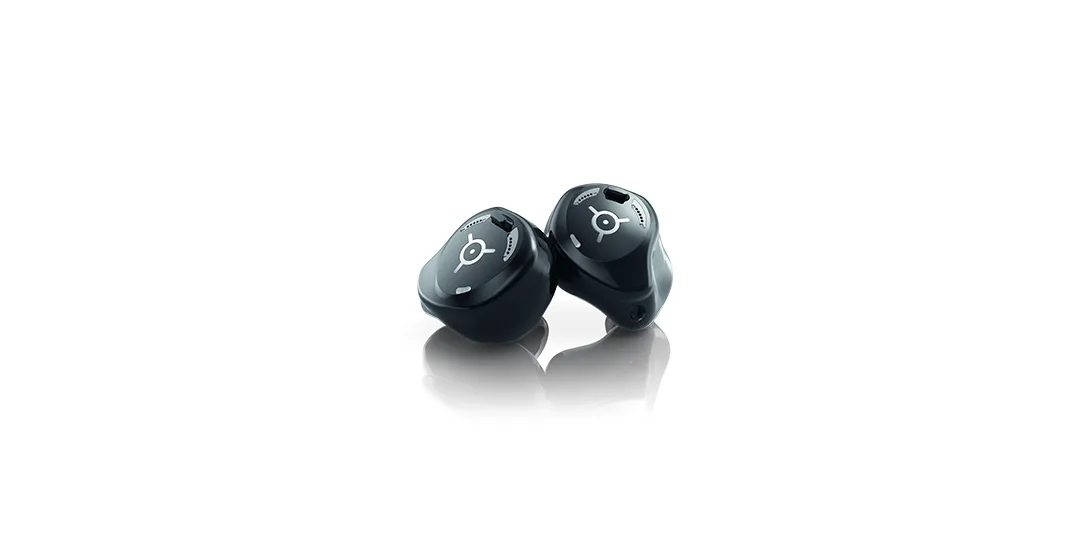
Because these devices sit fully inside the ear, wax and oils naturally collect around the microphone ports in in-the-ear (ITE) hearing aids. Using a small brush helps keep these openings clear so sound remains sharp. It’s also helpful to dry the devices overnight in a protective case or drying box to prevent moisture buildup.
Custom earmolds
Earmolds benefit from routine care to prevent blockages. The surface can be wiped clean, and vent passages should be checked and cleared when needed. Moisture can build up inside the tubing, and removing it with an air blower helps stop sound from becoming muffled. If your earmolds detach, you can deep-clean them weekly for best results—but ask your Hearing Care Provider (HCP) how to safely remove them first.
How to store and dry your hearing aids
Proper storage protects hearing aids from moisture, heat, and accidental damage. These habits keep your devices working well and reduce the chance of performance issues. Smart storage habits include:
Placing hearing aids in a protective case when not worn.
Using a drying box or capsules overnight to prevent moisture damage (some hearing aid charging cases also have drying features built in).
Keeping devices away from bathrooms and humid spaces.
Storing them safely out of reach of pets and children.
Avoiding exposure to heat sources such as radiators or direct sunlight.
These small steps go a long way in preserving sound quality and extending the life of your devices.
When to see a Hearing Care Provider (HCP)
Even with excellent care, hearing aids sometimes need professional attention. If sound remains weak after cleaning, if your device cuts in and out, or if you suspect moisture damage, your Hearing Care Provider (HCP) can diagnose the issue.
Persistent feedback, repeated wax blockages, or visible wear and tear are also signs that a professional cleaning or adjustment may be needed, which may include replacing worn components, cleaning internal parts, updating programming, and confirming that your devices still match your current hearing needs.
Understanding safe ear care
Good hearing-aid maintenance doesn’t require complicated tools or intensive effort—just consistent habits. Cleaning your devices regularly, using proper storage techniques, and scheduling occasional professional maintenance all help ensure reliable, comfortable hearing.
Key takeaways
Daily cleaning helps prevent buildup and sound distortion.
Weekly habits like checking wax guards improve performance.
Proper storage protects devices from heat and moisture.
Each hearing aid style has different cleaning needs.
Your Hearing Care Provider (HCP) can help with stubborn issues or performance changes.
If you’d like help maintaining your hearing aids or want to make sure your devices match your current hearing needs, we’re here to support you. You can book a free hearing test or find a Connect Hearing clinic near you for expert guidance.