


Hearing aids: Myth vs. fact

Hearing aids: Myth vs. fact
9 min.
Publication Date: July 25, 2019
Article Updated: January 15, 2026
Hearing loss affects more than 4 million Canadians, yet many people still wait years to do something about it. Why? In many cases, it comes down to outdated myths and misconceptions about hearing aids, hearing care, and the ageing process in general.
This article highlights three of the most common hearing aid myths—featured in our video below—and explains the facts behind them so you can feel more confident about taking the next step for your hearing health.
Note: Our Hearing Care Providers (HCPs) are here to support your hearing health and provide personalized guidance. However, if you're concerned about medical issues affecting your hearing, always consult your healthcare provider first.
Watch: Three common hearing aid myths
Not sure if hearing aids are really for you? You’re not alone, and you may have even heard some of these myths before. Watch our short video for a quick look at three common hearing aid misconceptions, then read on to learn the facts.
Myth #1: Hearing aids are bulky, uncomfortable, and outdated
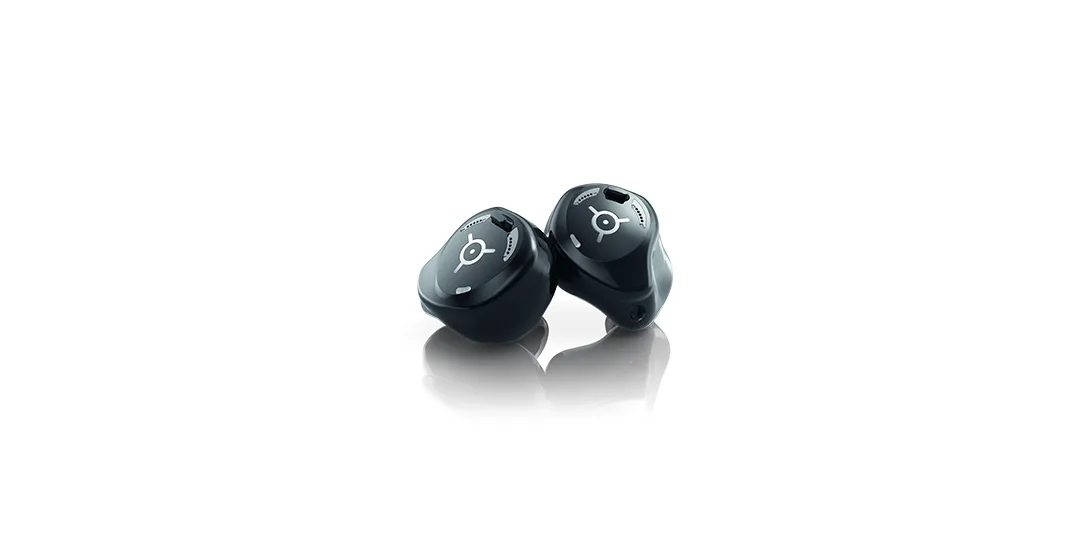
This is one of the biggest misconceptions we hear, and it couldn’t be further from the truth. Hearing aids have changed dramatically in recent years. They’re smaller, more comfortable, and far more advanced than many people realize. In fact, modern hearing aids can include:
Custom-fitted designs that are discreet and lightweight
Bluetooth streaming for phone calls, music, and TV
Rechargeable batteries with all-day power
Automatic noise adjustment based on your environment
Tinnitus-masking features to help reduce ringing in the ears
Whether you prefer something nearly invisible or need more power for severe hearing loss, there are options designed to fit your needs and your lifestyle. The best part? They don’t require constant adjusting or fiddling. Instead, they’re built to support your hearing automatically, so you can focus on your day.
Myth #2: Hearing Care Providers (HCPs) are just trying to sell me something
Many people hesitate to book a hearing test because they assume it will lead straight to a sales pitch. But at Connect Hearing, that’s not how we operate. We focus on your long-term hearing health, not one-time transactions—and we want you to feel supported at every stage of your journey.
What to expect during your first appointment
Your visit begins with a conversation, not a product demo. Your Hearing Care Provider (HCP) will ask questions about your lifestyle, health history, and any concerns you’ve had with your hearing. Then, you’ll receive a free, non-invasive hearing test to assess your current hearing levels.
This isn’t a pass/fail scenario; it’s about understanding what your ears need and giving you a chance to ask questions in a no-pressure setting.
It's not just about hearing aids
Even if your test shows some hearing loss, that doesn’t mean you’ll be pushed into making a decision right away. Your Hearing Care Provider (HCP) will talk you through all your options, which might include watchful waiting, hearing protection strategies, or lifestyle adjustments. If hearing aids are recommended, you’ll get a chance to learn about different models and features before making any decisions.
You’re never on your own
Support doesn’t stop after you leave the clinic. Your hearing care team is there for ongoing adjustments, education, and check-ins—whether you’ve chosen a hearing aid or not. We know that hearing health is a lifelong journey, and our role is to walk that path with you, not push you toward a sale. At your local Connect Hearing, you can expect:
A free, professional hearing assessment
Clear explanations without pressure
Support tailored to your lifestyle, budget, and long-term goals
Myth #3: My hearing will improve on its own
Some people assume their hearing will bounce back over time, or that it's not “bad enough” yet to do something about. But hearing loss—especially age-related hearing loss—tends to progress slowly and silently. Waiting rarely helps, and in some cases, it can make the transition to hearing aids more difficult later on. In fact, untreated hearing loss can:
Worsen more quickly over time
Lead to social withdrawal, isolation, or communication issues
Be linked to cognitive decline and increased risk of cognitive decline
Make it harder for your brain to adjust when hearing aids are eventually introduced
Hearing aids won’t “cure” hearing loss, but they can help preserve your ability to engage, communicate, and stay mentally sharp, especially when introduced early. If you're unsure whether it’s time, a simple hearing test can help you make an informed decision.
Take action with confidence
The truth is that hearing loss won’t fix itself. But with the right support, you can manage it on your own terms.
Whether you’re curious about trying hearing aids, looking for trustworthy advice, or just want to know where your hearing stands today, Connect Hearing is here to help. Our Hearing Care Providers (HCPs) are ready to answer your questions and guide you through every step of the journey.
Key takeaways
Today’s hearing aids are discreet and feature-rich, with options for every lifestyle.
Connect Hearing professionals focus on care, not sales. You’ll never be pressured.
Hearing loss rarely improves on its own, but hearing aids can help slow progression.
Early action leads to better long-term outcomes, especially for brain health and communication.
Ready to learn more? Book a free hearing test or find a clinic near you and take the first step toward better hearing.
Author
Connect Hearing Canada