


How swimming ear plugs help protect your ears
How swimming ear plugs help protect your ears
9 min.
Publication Date: February 26, 2026
Spending time in the water is a great way to stay active and have fun, but it can sometimes lead to uncomfortable ear issues. Many people experience ear discomfort, a blocked sensation, or even infections after swimming, especially if water becomes trapped in the ear canal.
Swimming ear plugs offer a simple, proactive way to protect your ears during water-based activities. Suitable for both kids and adults, they help keep water out of the ears and reduce the risk of irritation or infection. Understanding why swimming ear plugs matter, how they work, and how to choose the right option can help make ear protection a natural part of your swimming routine.
- Why should you wear ear plugs when swimming?
- How do swimming ear plugs protect your ears?
- What types of ear plugs are best for swimming?
- How do you choose the right swimming ear plugs?
- When should you seek advice about ear protection?
- Making ear protection part of your swimming routine
Note: Our Hearing Care Providers (HCPs) are here to support your hearing health and provide personalized guidance. However, if you're concerned about medical issues affecting your hearing, always consult your healthcare provider first.
Why should you wear ear plugs when swimming?
When water enters the ear canal, especially repeatedly or for long periods, it can disrupt the ear’s natural balance. Moisture creates an environment where bacteria can grow, which may increase the risk of irritation or infection—particularly if the water itself is dirty.
Wearing ear plugs for swimming helps limit water exposure inside the ear canal. This is particularly important for people who swim frequently, children who spend extended time in pools, or anyone who has previously experienced swimmer’s ear. While ear plugs don’t treat infections, they play a preventive role by reducing the conditions that allow problems to develop. For more context on why water exposure can be an issue, it can be helpful to understand swimmer’s ear and how it develops.
How do swimming ear plugs protect your ears?
Swimming ear plugs are designed to create a barrier that prevents water from entering the ear canal. When used correctly, they help keep the ears dry and protected during swimming and other water activities. Key ways swimming ear plugs protect your ears include:
- Keeping water out of the ear canal, reducing prolonged moisture exposure.
- Limiting moisture buildup, which can contribute to irritation or infection.
- Lowering the risk of swimmer’s ear, especially with frequent swimming.
- Reducing the “ear plugged after swimming” sensation caused by trapped water.
- Supporting overall ear comfort, particularly for sensitive ears.
Consistent use is important. Wearing ear plugs every time you swim helps maintain protection and reduces the chances of recurring ear issues.
What types of ear plugs are best for swimming?
There are several types of ear plugs designed specifically for swimming, and the best option depends on comfort, fit, and how often you’re in the water.
Reusable swimming ear plugs are commonly made from silicone or rubber and are designed to form a waterproof seal. They’re often shaped to fit the outer ear and can be used repeatedly with proper care. Disposable options are typically foam-based and may be less suitable for swimming unless specifically designed to repel water.
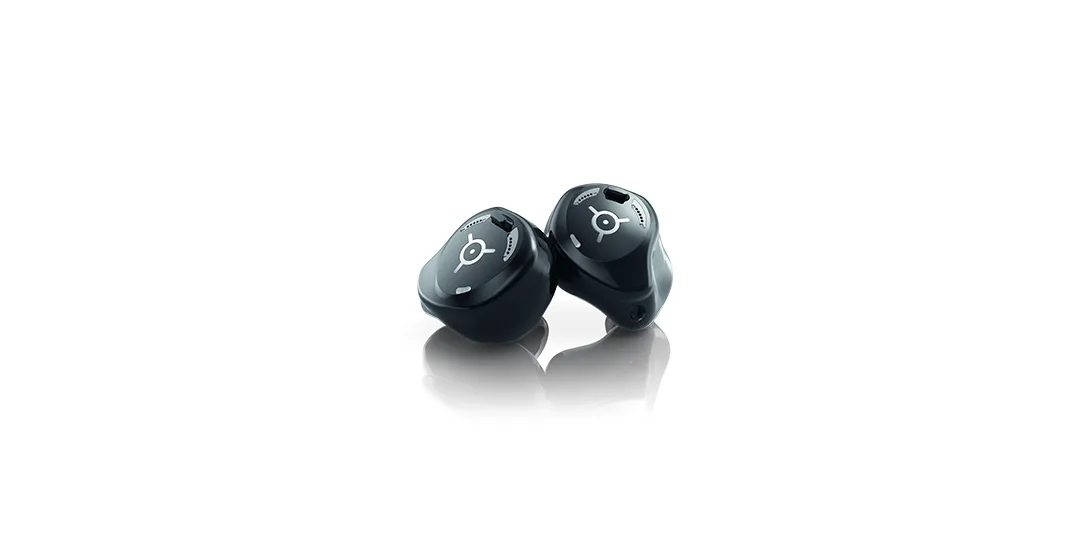
Some swimmers prefer pre-molded ear plugs, which come in standard sizes and are easy to use. Others may benefit from custom-fit ear plugs, which are shaped to the individual ear for a more secure and comfortable fit. Custom options are often recommended for people who swim frequently, children with recurring ear infections, or those who find standard plugs uncomfortable.
Swimming ear bands are also commonly used, especially for children. Ear bands are soft, adjustable headbands worn over the ears to help reduce water entry and keep ear plugs securely in place. While some people use ear bands on their own, they’re generally most effective when worn with ear plugs.
How do you choose the right swimming ear plugs?
Choosing the right swimming ear plugs involves balancing comfort, effectiveness, and ease of use. Not all ear plugs work the same way for every person, and the “best” option depends on individual needs. When selecting swimming ear plugs, consider:
- Age, as children and adults may require different sizes or styles.
- Comfort and fit, which affect how well the plugs stay in place.
- Frequency of swimming, since regular swimmers may benefit from more durable or custom options.
- Type of activity, such as lap swimming, recreational play, or open water swimming.
- Ease of cleaning and maintenance, especially for reusable plugs.
Taking these factors into account can help ensure ear plugs are worn consistently and comfortably.
When should you seek advice about ear protection?
In many cases, swimming ear plugs can be selected independently, especially for occasional use. However, additional guidance may be helpful when ear protection needs are more specific or ongoing—such as when custom-fit ear plugs are being considered for comfort, consistency, or repeated water exposure.
Some individuals may also want advice if they experience recurring ear discomfort or notice that off-the-shelf options are not fitting well or staying in place. In these situations, a Hearing Care Provider (HCP) can help determine whether a custom solution may be appropriate and explain what options are available.
For children, ear protection decisions are often best discussed with a primary healthcare provider, particularly if there is a history of ear infections, ear tubes, or other medical considerations. This helps ensure that any ear protection used supports overall ear health and is appropriate for a child’s specific needs.
If ear discomfort, pain, or hearing changes continue despite using ear plugs or ear bands, this may indicate an underlying issue that should be evaluated by a healthcare provider before continuing water activities.
Making ear protection part of your swimming routine
Protecting your ears doesn’t have to be complicated. Making swimming ear plugs part of your regular routine can help reduce discomfort, lower infection risk, and support long-term ear health for both kids and adults.
Key takeaways
- Swimming ear plugs help keep water out of the ear canal.
- They reduce moisture buildup that can lead to irritation or infection.
- Different types of ear plugs suit different ages and activity levels.
- Comfort and proper fit are key to consistent use.
- Professional guidance can help when choosing ear protection.
If you or your family swim regularly and want support choosing the right ear protection, help is available. You can book a free hearing test or find a Connect Hearing clinic near you to get personalized guidance from a Hearing Care Provider (HCP) and make ear protection part of a healthy swimming routine.
Author
Connect Hearing Canada
Latest articles
- How long does it take to adjust to hearing aids? Timeline, challenges, and what to expect
- Hearing loss in one ear: Causes and treatment options for unilateral hearing loss
- Sudden hearing loss (SSNHL): Causes, symptoms, and when to seek immediate help
- Deafness vs hearing loss: What’s the difference and why it matters