


The loudest jobs in the world

The loudest jobs in the world
10 min.
Publication Date: August 29, 2019
Article Updated: January 15, 2026
What do construction workers, airport ground crews, bartenders, and orchestra musicians have in common? Unless they wear proper protection, these professionals are all at high risk of hearing loss. Their work environments regularly expose them to dangerously high sound levels—often for hours at a time. And while hearing protection is standard in some of these fields, it's surprisingly overlooked in others.
In this post, we’ll look at some of the world’s loudest jobs and explain why long-term noise exposure is more damaging than you might think.
Note: Our Hearing Care Providers (HCPs) are here to support your hearing health and provide personalized guidance. However, if you're concerned about medical issues affecting your hearing, always consult your healthcare provider first.
Why noise exposure at work matters
Noise-induced hearing loss (NIHL) is one of the most common-yet-preventable occupational health risks. It develops over time as repeated exposure to loud sounds damages the delicate hair cells in the inner ear, which don’t regenerate.
According to occupational safety guidelines in Canada, workers exposed to 85 decibels (dB) or more over an 8-hour day are at risk. And the louder the noise, the shorter the safe exposure window becomes. At 100 dB, even 15 minutes of exposure may be enough to cause permanent damage.
You might expect this in a construction zone or factory, but some of the loudest jobs come from much more unexpected places.
5 of the loudest jobs (and why they’re risky)
Some professions consistently expose workers to sound levels that exceed safe limits, sometimes without them even realizing it. Here are five high-risk jobs where hearing protection is critical.
1. Bartenders
In bars and nightclubs, noise levels often reach 100–110 dB due to music, crowd noise, and glassware. Bartenders and servers are regularly exposed for hours at a time—and hearing protection is rarely part of the job.
Unlike regulated industries, the hospitality sector often lacks formal hearing safety standards, even though the risks are well-documented.
2. Runway marshalers
Standing just metres from a jet engine, runway staff are exposed to 120–140 dB, which can cause hearing damage in seconds. That’s why double protection—earplugs plus earmuffs—is standard.
Even with safeguards in place, the sheer volume of airport environments means consistent monitoring and regular hearing tests are essential.
3. Orchestral musicians
Professional musicians, especially in orchestras, are exposed to intense sound during rehearsals and performances. Brass and percussion sections frequently produce 95–120 dB, sustained over long periods.
Studies show musicians are up to four times more likely to develop hearing damage than the general population. Yet hearing protection is still underused in classical music due to concerns around acoustic quality.
4. Dentists
Dental drills and suction tools generate high-frequency sounds in the 85–90 dB range, and the enclosed nature of treatment rooms can make the sound more concentrated. While the volume may not feel extreme, the pitch and repetition create risk over time, especially for professionals working full-time in these conditions.
5. Road construction workers
From jackhammers to concrete saws, road crews often face sound levels between 100–120 dB. These tools are essential, but without hearing protection, they can cause instant damage. While most work sites enforce PPE, even short bursts of unprotected exposure can be harmful.
What counts as “too loud”?
When it comes to hearing damage, it’s not just about how loud the sound is—it’s also about how long you're exposed to it. The louder the noise, the shorter the safe exposure time becomes. That’s why understanding decibel levels is so important in noisy jobs. Here’s how common sounds stack up:
60 dB: Normal conversation (no risk)
85 dB: Safe for up to 8 hours of exposure
100 dB: Risk of damage in as little as 15 minutes
120 dB and above: Immediate risk of hearing loss without protection
As a general rule: If you have to raise your voice to be heard, it’s probably too loud.
How to protect your hearing on the job
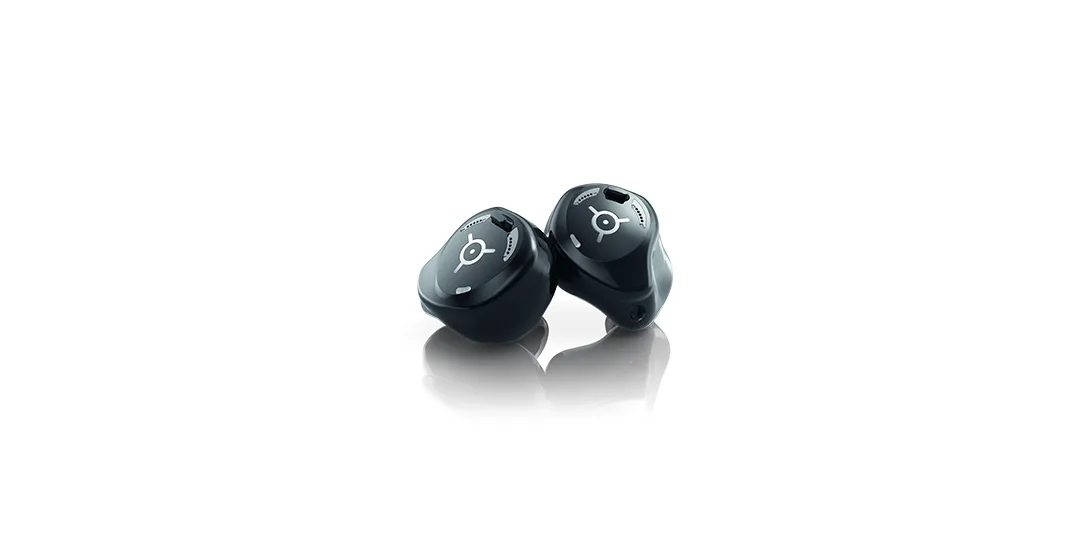
Protecting your hearing at work starts with consistent, proper use of hearing protection. In extremely loud environments, that often means using both earplugs and earmuffs together. For those regularly exposed to noise, custom hearing protection is often the most effective and comfortable solution.
It’s just as important to limit your exposure. Taking short breaks in quieter areas gives your ears time to recover and helps reduce the cumulative effect of daily noise. If your job allows, rotating between quieter and louder tasks throughout the day can also help reduce your overall risk.
Finally, make routine hearing checks part of your prevention plan, especially if you work in a loud industry. Regular testing allows you to track your hearing health over time and catch any early changes before they become harder to manage.
Loud jobs, long-term impact
Loud jobs aren’t always easy to avoid, but hearing loss doesn’t have to be part of the package. From bartenders to musicians to heavy equipment operators, anyone working in a high-noise environment deserves access to protection, education, and regular care.
Key takeaways
Dangerous noise exposure isn’t limited to factories or airports. Bartenders, musicians, and healthcare workers face real risks.
85 dB is the benchmark. Anything louder (and longer than 8 hours) requires protection.
Damage doesn’t always happen all at once. Even moderate noise can cause harm over time.
Hearing tests and custom protection go hand in hand. Prevention is the best defense.
Want to learn more about workplace hearing health or explore custom protection options? Book a free hearing test or find a clinic near you for personalized support.
Author
Connect Hearing Canada