


Is sleeping with earplugs bad for you?

Is sleeping with earplugs bad for you?
5 min.
Publication Date: July 18, 2019
Article Updated: December 3, 2025
Many people rely on earplugs to get a better night’s rest, especially if they live in noisy neighbourhoods, share a room with a snoring partner, or work shifts that require sleeping during the day. Earplugs can make a noticeable difference in sleep quality, helping reduce nighttime disruptions.
But are they safe to use every night? With proper hygiene and the right fit, earplugs can be a comfortable and safe part of your sleep routine. Let’s take a closer look at the benefits, risks, and best practices for using earplugs—and find out when custom options may be a better choice.
- Why do people sleep with earplugs?
- Is it safe to sleep with earplugs every night?
- What are the risks of sleeping with earplugs?
- How can you use earplugs safely?
- Are custom earplugs better for sleep?
- A better night’s sleep with safe earplug use
Note: Our Hearing Care Providers (HCPs) are here to support your ear health and provide personalized guidance. However, if you’re concerned about hearing changes or medical issues affecting your hearing, always consult with your healthcare provider as your first priority.
Why do people sleep with earplugs?
Noise is one of the most common reasons people struggle to fall or stay asleep. Whether it’s traffic, neighbours, a loud environment, or a partner who snores, nighttime noise can significantly disrupt rest. Earplugs help block out background sound so your brain is less likely to remain alert, making it easier to fall asleep.
Earplugs can also support people with insomnia or anxiety by creating a quieter, more predictable sleep environment. And for shift workers who need to sleep during daylight hours, earplugs can be especially valuable.
Is it safe to sleep with earplugs every night?
Wearing earplugs nightly is generally safe when they fit well and are used hygienically. Many long-term users rely on them to improve sleep quality and reduce nighttime awakenings. Some benefits of using earplugs at night include:
- Improved sleep continuity
- Reduced sensitivity to nighttime noise
- Better rest for shift workers and light sleepers
- A consistent sleep environment, especially in noisy households
Research also supports their benefits: a study found that earplugs can help improve sleep quality in noisy hospital settings, suggesting they can be helpful in everyday environments as well.
What are the risks of sleeping with earplugs?
Earplugs are safe for most people, but they’re not without potential downsides. These risks typically arise from poor hygiene, an improper fit, or using the wrong type of plug.
Earwax buildup can occur if foam or silicone plugs push wax deeper into the ear canal. This may lead to muffled hearing, itching, or temporary hearing loss. Outer ear infections (otitis externa) can also develop if reusable earplugs aren’t cleaned regularly.
Some people may experience irritation or pressure from earplugs that are too large, inserted too deeply, or made of materials that don’t agree with their skin. Additionally, wearing earplugs may make it harder to hear alarms, children, or emergency sounds overnight.
How can you use earplugs safely?
With proper care, earplugs can be a safe, reliable part of your sleep routine. Good hygiene and the right technique help prevent wax buildup, irritation, and infection. Safe earplug habits include:
- Washing your hands before inserting earplugs
- Cleaning reusable plugs with mild soap and water
- Replacing foam earplugs regularly to avoid bacteria buildup
- Avoiding deep insertion that may irritate the ear canal
- Not using earplugs if you have an active ear infection
- Trying different materials if you notice discomfort or irritation
If you ever notice persistent muffled hearing or recurring wax buildup, consider scheduling a hearing test or professional ear exam. Our post on the signs of hearing loss explains early indicators to watch for.
Are custom earplugs better for sleep?
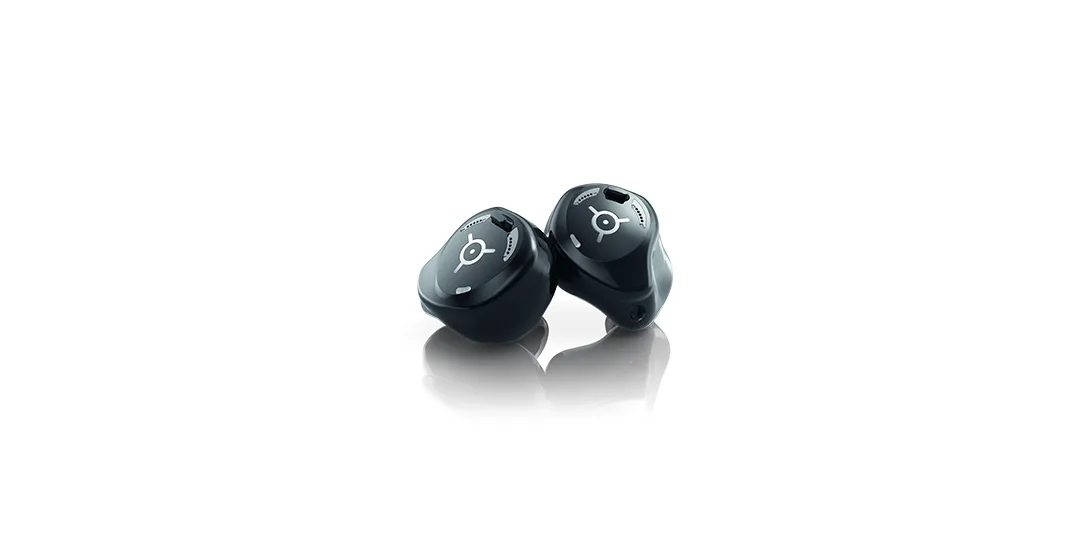
Custom-moulded earplugs are made from impressions of your ears, providing an exact fit that can be more comfortable for extended wear. Because they sit securely and evenly in the ear canal, they reduce pressure points and are less likely to cause irritation.
They can also reduce the risk of pushing wax deeper into the ear, which is a common risk with disposable foam plugs. Custom options last longer, maintain their shape, and offer consistent noise reduction.
If you frequently wake due to noise or rely on earplugs every night, check in with your local Connect Hearing to find out how our custom-moulded earplugs could offer a more comfortable and reliable solution.
A better night’s sleep with safe earplug use
Sleeping with earplugs can be a simple, effective way to improve sleep quality—especially in noisy environments. With clean habits and the right type of plug, most people can use earplugs safely without harming their ears.
Key takeaways
Earplugs are generally safe for nightly use when kept clean and properly fitted.
Risks such as wax buildup or irritation usually stem from hygiene issues or poor fit.
Custom earplugs offer a more comfortable, durable, and hygienic option for nightly use.
Persistent discomfort or muffled hearing should be evaluated by a professional.
If noise is disrupting your sleep or you’re unsure which earplugs are right for you, we’re here to help. Find a Connect Hearing clinic near you to get personalized support.
Author
Connect Hearing Canada