
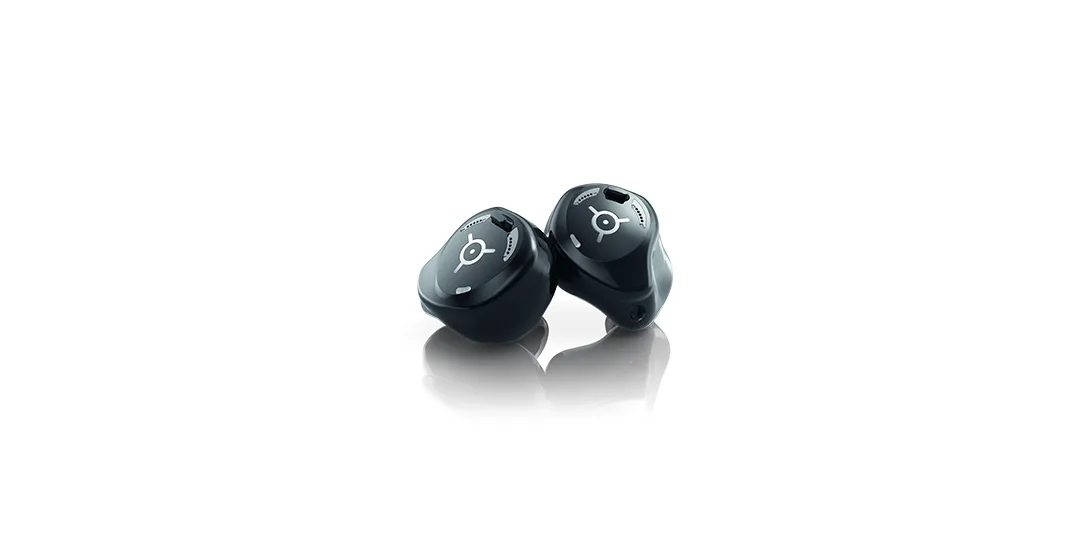


Is noise irreparably damaging your hearing? Everything you should know

Is noise irreparably damaging your hearing? Everything you should know
8 min.
Publication Date: July 18, 2019
Article Updated: January 15, 2026
Noise is everywhere—in our workplaces, hobbies, cities, and even in our pockets. And while we might not notice it day to day, long-term exposure can seriously harm your hearing.
Noise-induced hearing loss (NIHL) is permanent and irreversible. It affects people of all ages and can significantly impact your quality of life, relationships, and ability to work. Yet it is often preventable.
So, let’s explore how noise damages hearing, what symptoms to watch for, and how to protect yourself from further harm.
Note: Our Hearing Care Providers (HCPs) are here to support your hearing health and provide personalized guidance. However, if you're concerned about medical issues affecting your hearing, always consult your healthcare provider first.
Why is noise-induced hearing loss a growing concern?
Modern life is loud and getting louder. From construction zones and concerts to everyday headphone use, our ears are exposed to damaging levels of sound more often than we think.
Noise-induced hearing loss happens when tiny hair cells in the inner ear are damaged by loud or sustained noise. These hair cells don’t grow back, which means the damage is permanent. Once enough cells are lost, your ability to hear clearly begins to decline. This process often happens so gradually that many people don’t notice it right away.
How can you tell if noise has already damaged your hearing?
NIHL can occur in one or both ears and may result from a single loud incident or repeated exposure over time. The most common signs include:
Sounds or voices seem muffled or “underwater”
It’s harder to follow conversations, especially in noisy environments
You find yourself turning the volume up more than others
You hear persistent ringing or buzzing in the ears (tinnitus)
You experience increased frustration, fatigue, or withdrawal during social interactions
Tinnitus in particular can interfere with sleep and concentration, and in some cases may contribute to anxiety or depression. While these symptoms can be managed, the underlying hearing damage is often permanent, which is why prevention matters so much.
Where does the most damaging noise come from?
Not all noise-related hearing loss comes from one loud event. Often, it builds slowly from repeated exposure across different parts of daily life. Here are the top sources of risk:
1. Workplace noise
Occupational NIHL is common in industries like construction, aviation, mining, and emergency services. Military personnel working near jet engines or firearms, for example, are frequently exposed to decibel levels over 130–160 dB. Likewise, construction crews, miners, and agricultural workers often operate equipment that emits 100–140 dB for hours at a time. Even first responders, like police and fire personnel, may be regularly exposed to sirens and alarms well above safe hearing thresholds.
2. Lifestyle and home noise
Many people unknowingly damage their hearing through everyday activities. Streaming music or videos on smartphones at full volume, using earbuds that deliver sound directly into the ear canal, and operating power tools or lawn equipment without protection can all lead to gradual hearing loss. These common lifestyle factors add up quickly—especially when used frequently or at high volumes.
3. Hobbies and recreation
Recreational noise is one of the most overlooked risks. Concerts, sporting events, motorsports, and hunting all involve sound levels between 105 and 140 dB, which is loud enough to cause damage in minutes. Even woodworking and home renovations can expose you to sustained high-frequency noise. Without ear protection, these hobbies can quietly erode your hearing over time.
How can you prevent noise-induced hearing loss?
The good news is that you don’t have to give up the things you love—or your job—to protect your hearing. A few simple strategies can go a long way.
Use hearing protection consistently: Foam earplugs, earmuffs, or custom-moulded hearing protection can block harmful noise in loud environments.
Choose safer headphones. Opt for over-the-ear headphones instead of earbuds, and keep the volume under 60%.
Take listening breaks. Step away from loud environments and give your ears time to recover, especially after concerts or noisy events.
Limit exposure. Don’t stand next to speakers, engines, or power tools for extended periods if you can help it.
Monitor your environment. Use smartphone apps to track decibel levels at work, at home, or while out at events.
Remember that it takes just 15 minutes of exposure to sounds above 100 dB to cause lasting damage, but protecting your ears is easy.
What to do if the damage is already done
If you’ve already experienced signs of hearing loss, it’s not too late to take action.
Hearing aids and assistive devices have come a long way, and are now more discreet, more customizable, and more powerful than ever. They can help you stay engaged in conversations, navigate your surroundings, and reduce the strain that comes with trying to hear through damaged ears.
The first step is a hearing test, which will give you a clear understanding of your current hearing health and whether treatment might help. From there, your Hearing Care Provider (HCP) can recommend solutions that suit your lifestyle and needs.
Protect your hearing, preserve your future
Noise-induced hearing loss is common, but it’s also preventable. Whether you're exposed to loud noise at work, through hobbies, or just by daily headphone use, small actions can make a big difference. Staying alert to the warning signs and making smart listening choices today can help preserve your hearing for years to come.
Key takeaways
NIHL is permanent but preventable. Early protection is the best defense.
Warning signs matter. Muffled sounds, volume creep, and tinnitus should not be ignored.
Loud environments are everywhere. Jobs, hobbies, and even headphones can cause damage.
Modern hearing aids can help. If damage is done, today’s tech offers discreet, effective solutions.
A hearing test is a smart first step. Whether for prevention or diagnosis, it helps you stay in control.
Think your hearing may already be affected? Book a free hearing test or find a clinic near you to get started.