


10 ways to support better hearing at any age

10 ways to support better hearing at any age
6 min.
Publication Date: April 3, 2022
Article Updated: December 3, 2025
Protecting and supporting your hearing health is essential at every age. Even if you haven’t noticed changes in how well you hear, the everyday habits you build now can support clearer listening, better speech understanding, and long-term auditory wellness. While some causes of hearing loss are outside your control, many aspects of hearing health can be strengthened through simple lifestyle changes.
In this guide, we’ll explore 10 practical steps that can help improve how you hear and how your brain makes sense of sound. These strategies range from healthy routines to sound-safe habits, nutrition, and knowing when to get a professional assessment.
- What are the most effective ways to improve your hearing?
- 1. Meditation
- 2. Quit smoking
- 3. Try yoga
- 4. Turn down the volume
- 5. Check for earwax
- 6. Exercise regularly
- 7. Train your brain to listen
- 8. Maintain good nutrition
- 9. Book a hearing test
- 10. Consider hearing aids
- Final thoughts on improving your hearing
Note: Our Hearing Care Providers (HCPs) are here to support your ear health and provide personalized guidance. However, if you’re concerned about hearing changes or other medical issues affecting your hearing, always consult with your healthcare provider as your first priority.
What are the most effective ways to improve your hearing?
There is no single method that can restore hearing once permanent damage has occurred. However, many daily behaviours can support the health of your auditory system and help your brain process sound more effectively.
1. Meditation
Meditation can help you become more attuned to subtle sounds by improving focus and reducing stress. Relaxation and slow, deep breathing also support healthy blood flow, which can help nourish the auditory system. Research from the World Health Organization’s Safe Listening Initiative highlights how attention and listening behaviours significantly shape sound perception—skills strengthened through mindfulness.
2. Quit smoking
Smoking is strongly associated with an increased risk of hearing loss. Nicotine and carbon monoxide reduce blood flow and oxygen supply to the delicate hair cells inside the inner ear, making them more vulnerable to damage. A 2022 study reported significantly higher rates of hearing loss among smokers compared with non-smokers.
3. Try yoga
Certain yoga postures encourage improved circulation, helping deliver oxygen-rich blood to the head and neck. This improved circulation supports the inner ear’s metabolic needs and may reduce feelings of pressure or fullness that sometimes affect hearing. Many people also find that yoga’s calming nature helps reduce stress, making listening easier and more comfortable.
4. Turn down the volume
Long-term exposure to sounds above 85 decibels can damage the sensitive hair cells responsible for hearing. It’s an extremely common issue. In fact, a 2022 review found that between 0.67 billion and 1.35 billion young people worldwide are at risk of noise-induced hearing loss due to unsafe listening practices. One of the most effective ways to reverse this trend and preserve hearing is to simply keep volume levels at safe limits.
If you’ve noticed muffled hearing after loud noise exposure, our guide on sudden muffled hearing explains what may be happening.
5. Check for earwax
A buildup of earwax can block the ear canal and cause temporary hearing loss, making sound seem quieter or muffled. Some symptoms—such as a sense of fullness or reduced clarity—can resemble those caused by a blocked ear.
While earwax is natural and protective, too much can interfere with hearing. If you suspect wax buildup, avoid inserting objects into your ears and consider professional earwax removal.
6. Exercise regularly
Regular physical activity supports cardiovascular health and promotes strong blood flow, including to the auditory system. Healthy circulation ensures the inner ear receives the nutrients and oxygen it needs to function properly—and even moderate activities like walking and gardening can positively influence hearing wellness.
7. Train your brain to listen
Hearing is not only a function of the ears—it’s also a brain process. Activities that challenge your auditory attention, such as identifying instruments in music or locating sounds in a room, can sharpen the brain’s ability to interpret and organize sound. This type of auditory training may be especially helpful for people who find it difficult to follow conversations in noisy environments.
8. Maintain good nutrition
Certain vitamins and minerals play important roles in hearing health. Nutrients such as folate, magnesium, zinc, and B vitamins support cellular function and circulation, and a balanced diet rich in fruits, vegetables, and whole grains helps maintain these nutrients.
If you’re unsure whether changes in your hearing may be diet-related or part of broader listening changes, our guide on the signs of hearing loss may help.
9. Book a hearing test
If you’ve noticed changes in your hearing—or want to understand your baseline—booking a hearing test is an important step. A hearing assessment can identify early signs of hearing loss, detect issues like wax buildup, and help you understand whether additional support is needed. You can book a free hearing test or start with a quick online screening for a general sense of your hearing.
10. Consider hearing aids
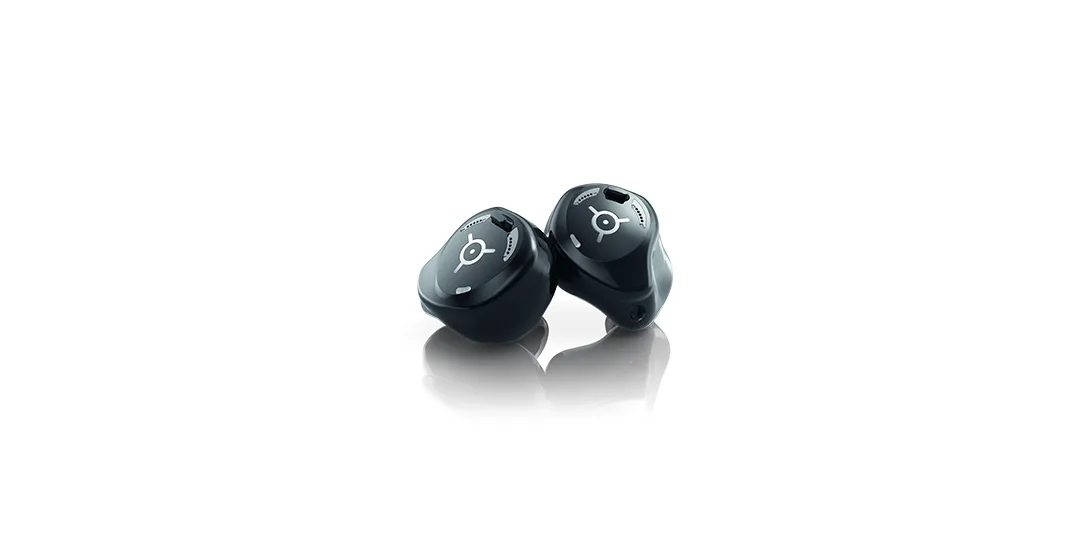
For people with diagnosed hearing loss, hearing aids can significantly improve clarity and reduce listening effort. Modern devices are discreet, customizable, and designed to support speech understanding in many environments. If you often struggle to follow conversations—especially in noisy environments—hearing aids may provide meaningful relief.
Final thoughts on improving your hearing
Supporting your hearing health is an ongoing process. While no single strategy can restore permanently damaged hearing, adopting healthy daily habits can strengthen your auditory system, protect against further decline, and make listening more comfortable and enjoyable.
Key takeaways
Small daily habits can contribute meaningfully to hearing wellness.
Noise protection, healthy circulation, and good nutrition all support auditory health.
A hearing test is the most reliable way to understand your hearing needs.
Hearing aids can improve clarity and reduce listening fatigue for many people.
If you’re ready to learn more about your hearing or want guidance on next steps, you can book a free hearing test or find a Connect Hearing clinic near you.
Author
Connect Hearing Canada