
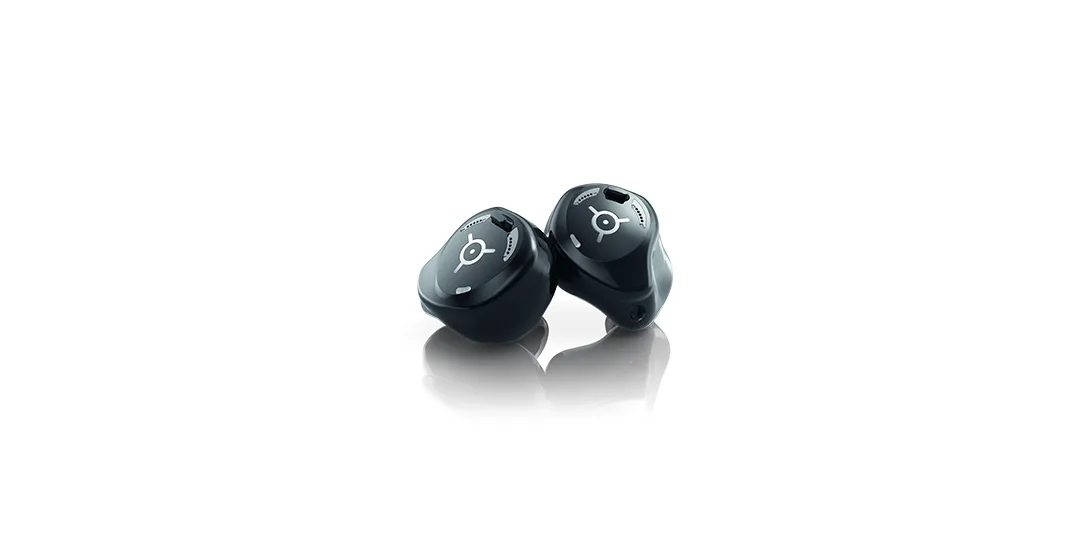


What should you do if your hearing aids don’t work?

What should you do if your hearing aids don’t work?
10 min.
Publication Date: September 17, 2021
Article Updated: January 8, 2026
Few things are as frustrating as putting in your hearing aids and realizing something doesn’t sound right—or nothing seems to work at all. Whether you’re new to hearing aids or have worn them for years, it’s completely normal to run into occasional issues. The good news is that many common hearing aid problems have straightforward fixes and are simple to troubleshoot at home.
So, before you give up on your devices or assume they’re “broken,” it’s worth taking a closer look at what might be happening. Small adjustments, routine cleaning, or a quick visit with a Hearing Care Provider (HCP) can often get your hearing aids performing exactly as they should.
Note: Our Hearing Care Providers (HCPs) are here to support your hearing health and provide personalized guidance. However, if you're concerned about medical issues affecting your hearing, always consult your healthcare provider first.
Why do hearing aids stop working?
Hearing aids are sophisticated devices, but even the best technology needs a little support now and then. Most issues fall into a few broad categories: programming that no longer matches your hearing, a poor physical fit, wax or debris blocking sound, moisture inside the device, normal wear and tear, or simply inconsistent use.
Understanding these possibilities can make troubleshooting much easier and may help you avoid unnecessary repairs or replacements.
8 common hearing aid problems and how to fix them
Below are some of the most common reasons hearing aids stop working as expected, along with tips that may resolve the issue quickly.
1. Programming or fitting issues
Your hearing, like your vision, can change gradually over time. If your hearing aids haven’t been adjusted in a while, they may no longer be programmed to support your current needs. A device that once sounded perfect may start to feel too soft, too sharp, or simply “off.”
Fitting issues are also extremely common. Even a small change to the shape of your ear or earmold can affect sound quality or comfort.
What may help:
Schedule a hearing test if it has been more than a year.
Request a reprogramming appointment.
Ask about new earmolds or updated devices if your hearing has changed significantly.
2. Wax, debris, and maintenance problems
Earwax is healthy and protective, but it can easily block microphones or receivers, making your hearing aids sound weak or intermittent. Wax guards, domes, and small openings in the device can become clogged over time. Daily cleaning helps prevent buildup, but if you have abundant wax or dexterity challenges, regular professional cleanings can make a big difference.
3. Ear canal changes or anatomy issues
Your ear canal can change shape over time. Weight changes or certain surgeries can also alter how securely hearing aids sit. Even a tiny “slit leak” can allow sound to escape and create feedback (a whistling sound coming from the hearing aid) or reduce amplification. Wax inside the ear canal can have the same effect, preventing sound from entering the ear properly.
What may help:
Remove significant earwax with help from a Hearing Care Provider (HCP).
Ask about getting new ear impressions if your molds no longer seal properly.
Have your provider check for acoustic leaks or feedback sources.
4. Moisture problems
Moisture from showering, swimming, sweating, or even humid weather can interfere with hearing aid microphones and circuitry. Sound may cut in and out, become distorted, or disappear entirely until the device dries.
Some hearing aids can be placed in a drying jar or electronic dryer each night to help prevent moisture-related glitches and extend their lives.
5. Not wearing hearing aids consistently
If you're new to hearing aids, wearing them only occasionally may make them feel ineffective. Your brain needs time to adapt to amplified sound, and inconsistent use slows this process. People who wear their devices just a few hours a day often feel like their hearing aids aren’t working, when in reality they simply haven't had enough time to adjust. Aim for eight or more hours daily to get the full benefit.
6. Feedback or whistling issues
That high-pitched whistling sound—called feedback—happens when amplified sound escapes the ear and re-enters the microphone. It can result from a poor fit, wax blockage, high volume settings, or even a hat brushing against the microphone.
Proper insertion, checking for earwax, and avoiding tight headwear can reduce feedback. If it continues, your Hearing Care Provider (HCP) can help identify the cause.
7. Device won’t turn on
Sometimes the simplest explanation is the right one. Before assuming your device is broken, check for small issues that are easy to fix.
What may help:
Ensure the battery is inserted correctly.
Confirm the device is switched on.
Remove any visible debris.
Inspect tubing or wiring for damage.
Try a new battery or fully recharge the device.
8. Volume is too low
New hearing aid users often start with settings below full prescription strength to give the brain time to adapt. As you adjust, sounds may begin to feel too soft—a sign that you’re ready for an increase. Older devices may also sound weak due to clogged filters or worn-out components, but a quick follow-up appointment can restore clarity.
When should you see a Hearing Care Provider (HCP)?
While many hearing aid issues can be fixed at home, some situations require professional attention. If your troubleshooting efforts aren’t helping, or if your devices continue to sound weak, distorted, or inconsistent, your Hearing Care Provider (HCP) can determine what’s going on.
You should also seek support if you notice:
Sudden or significant hearing changes
Persistent discomfort or soreness
Recurring feedback or whistling
Repeated wax buildup
Moisture exposure that caused malfunctions
Staying confident with your hearing aids
Hearing aids can be life-changing, but like any technology, they sometimes need adjustments or maintenance. Regular check-ins, proper cleaning, and consistent use help ensure you're getting the clearest sound possible.
Key takeaways
Most hearing aid issues are easy to troubleshoot.
Fit and programming may need updating over time.
Wax, moisture, and debris are common culprits.
Consistent use helps your brain adjust.
Hearing Care Providers (HCPs) can quickly diagnose problems and fine-tune your devices.
If you're experiencing issues with your hearing aids or think you may need an adjustment, we're here to help. You can book a free hearing test or find a Connect Hearing clinic near you to get the support you need.
Author
Connect Hearing Canada