
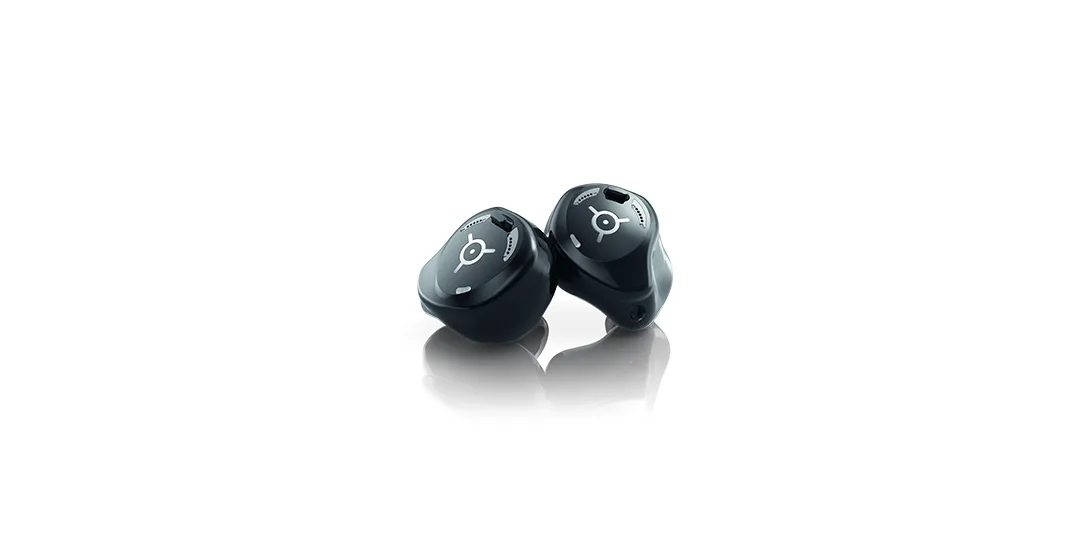


Assistive listening devices: Alternative solutions to hearing aids

Assistive listening devices: Alternative solutions to hearing aids
9 min.
Publication Date: March 12, 2026
Not every hearing challenge requires hearing aids. Many people experience difficulty hearing only in certain situations—such as watching TV, talking on the phone, or following conversations in noisy environments—while hearing reasonably well in others. For these cases, assistive listening devices can offer targeted support without the need for full-time hearing aids.
Assistive listening devices (often called ALDs) are designed to improve hearing in specific settings. They can be used on their own by people with mild or situational hearing challenges, or alongside hearing aids for added support in more demanding listening environments. Understanding how these devices work and when they’re most helpful can make it easier to find the right solution for your needs.
- What are assistive listening devices?
- How do assistive listening devices differ from hearing aids?
- What types of assistive listening devices are available?
- When are assistive listening devices recommended?
- Can assistive listening devices be used with hearing aids?
- Choosing the right listening solution for your needs
Note: Our Hearing Care Providers (HCPs) are here to support your hearing health and provide personalized guidance. However, if you're concerned about medical issues affecting your hearing, always consult your healthcare provider first.
What are assistive listening devices?
Assistive listening devices are tools that help improve hearing in specific situations rather than throughout the entire day. Unlike hearing aids, which are worn most of the time and customized to an individual’s hearing loss, ALDs are often used only when and where extra help is needed.
These devices work by bringing sound closer to the listener or amplifying sound from a particular source, such as a television or phone. By reducing background noise or emphasizing speech, assistive listening devices can make certain listening tasks easier and less tiring.
ALDs are commonly used by people with mild hearing loss, situational hearing difficulties, or those who want additional support in certain environments. They’re also sometimes used as part of a broader hearing solution for people who already wear hearing aids.
How do assistive listening devices differ from hearing aids?
Although assistive listening devices and hearing aids both support better hearing, they’re designed for different purposes and situations. Understanding these differences can help clarify when one option may be more appropriate than the other. Key differences include:
- Scope of use: Hearing aids are typically worn throughout the day, while assistive listening devices are used only in specific situations, such as watching TV or talking on the phone.
- Customization: Hearing aids are professionally programmed to match an individual’s hearing profile, whereas assistive listening devices usually offer limited or no personalization.
- Listening environments: Assistive listening devices focus on improving sound from a single source, while hearing aids aim to support hearing across many environments.
- Commitment level: ALDs often involve less adjustment and maintenance than hearing aids.
This distinction helps explain why assistive listening devices are not “weaker” hearing aids, but tools designed for targeted listening needs.
What types of assistive listening devices are available?
Assistive listening devices come in many forms, each designed to support hearing in a specific environment or activity. Choosing the right type depends on where and when hearing challenges occur.
1. TV listening devices
TV listening devices transmit television audio directly to headphones or speakers, making dialogue clearer without increasing the volume for others in the room. They’re especially helpful for people who struggle to follow speech on television but hear well in everyday conversation.
2. Amplified phones for hearing loss
Amplified phones increase the volume and clarity of phone conversations. Some models also reduce background noise or enhance speech frequencies, which can make phone calls easier to understand for people with hearing challenges.
3. Personal sound amplifiers
Personal sound amplifiers are portable devices that boost sound from nearby sources. They may be helpful in one-on-one conversations or small group settings, but personal sound amplifiers are not intended to replace hearing aids for ongoing hearing loss because they lack background noise reduction technology.
4. FM, infrared, or Bluetooth-based systems
These systems transmit sound directly from a microphone to the listener and are often used in group settings, public venues, or classrooms. By delivering speech more directly, they help reduce the effects of distance and background noise. All of these systems require a receiver such as earbuds or hearing aids.
When are assistive listening devices recommended?
Assistive listening devices (ALDs) are often recommended when hearing difficulties are limited to specific situations rather than present all the time. For example, someone may hear well in quiet settings but struggle with television dialogue or phone conversations.
ALDs may be appropriate for individuals with mild hearing loss, situational hearing challenges, or early changes in hearing who are not ready for or do not need hearing aids. They can be useful for people who want flexible, low-commitment support for particular listening activities, and may also be recommended for people who use hearing aids but need additional support.
Because hearing needs vary, assistive listening devices are not considered a replacement for hearing aids in cases of more significant or permanent hearing loss. Instead, they’re one of several tools that can support communication depending on the situation.
Can assistive listening devices be used with hearing aids?
Assistive listening devices are often used alongside hearing aids to provide extra support in challenging listening environments. Many hearing aid users rely on ALDs to improve clarity in specific situations where hearing aids alone may not be enough. Examples of combined use include:
- TV listening devices paired with hearing aids to make dialogue clearer without increasing background noise.
- Amplified phone systems used in addition to hearing aids for easier phone conversations.
- Remote microphone, FM, or wireless systems that send speech directly to hearing aids in noisy or group settings.
Using assistive listening devices alongside hearing aids can reduce listening effort and improve comfort in demanding environments.
Choosing the right listening solution for your needs
There’s no single solution that works for every hearing challenge. Assistive listening devices and hearing aids each play a role depending on the type of hearing difficulty, environment, and personal preferences.
Key takeaways
- Assistive listening devices provide targeted support in specific situations.
- They differ from hearing aids in how and when they’re used.
- ALDs can be used on their own or alongside hearing aids.
- Different devices address different listening challenges.
- Professional guidance helps ensure the right solution is chosen.
If you’re experiencing hearing difficulties and want to understand which options may work best for you, an assessment can provide valuable insight. Book a free hearing test or find a Connect Hearing clinic near you to discuss your hearing concerns and get personalized guidance from a Hearing Care Provider (HCP).
Author
Connect Hearing Canada
Latest articles
- How long does it take to adjust to hearing aids? Timeline, challenges, and what to expect
- Hearing loss in one ear: Causes and treatment options for unilateral hearing loss
- Sudden hearing loss (SSNHL): Causes, symptoms, and when to seek immediate help
- Deafness vs hearing loss: What’s the difference and why it matters